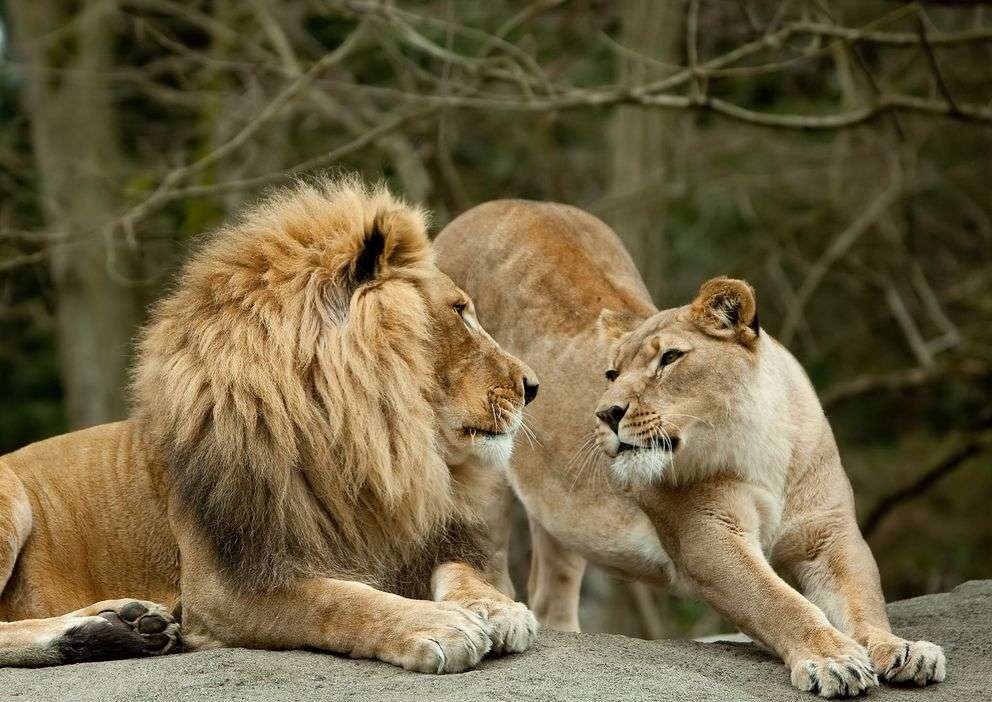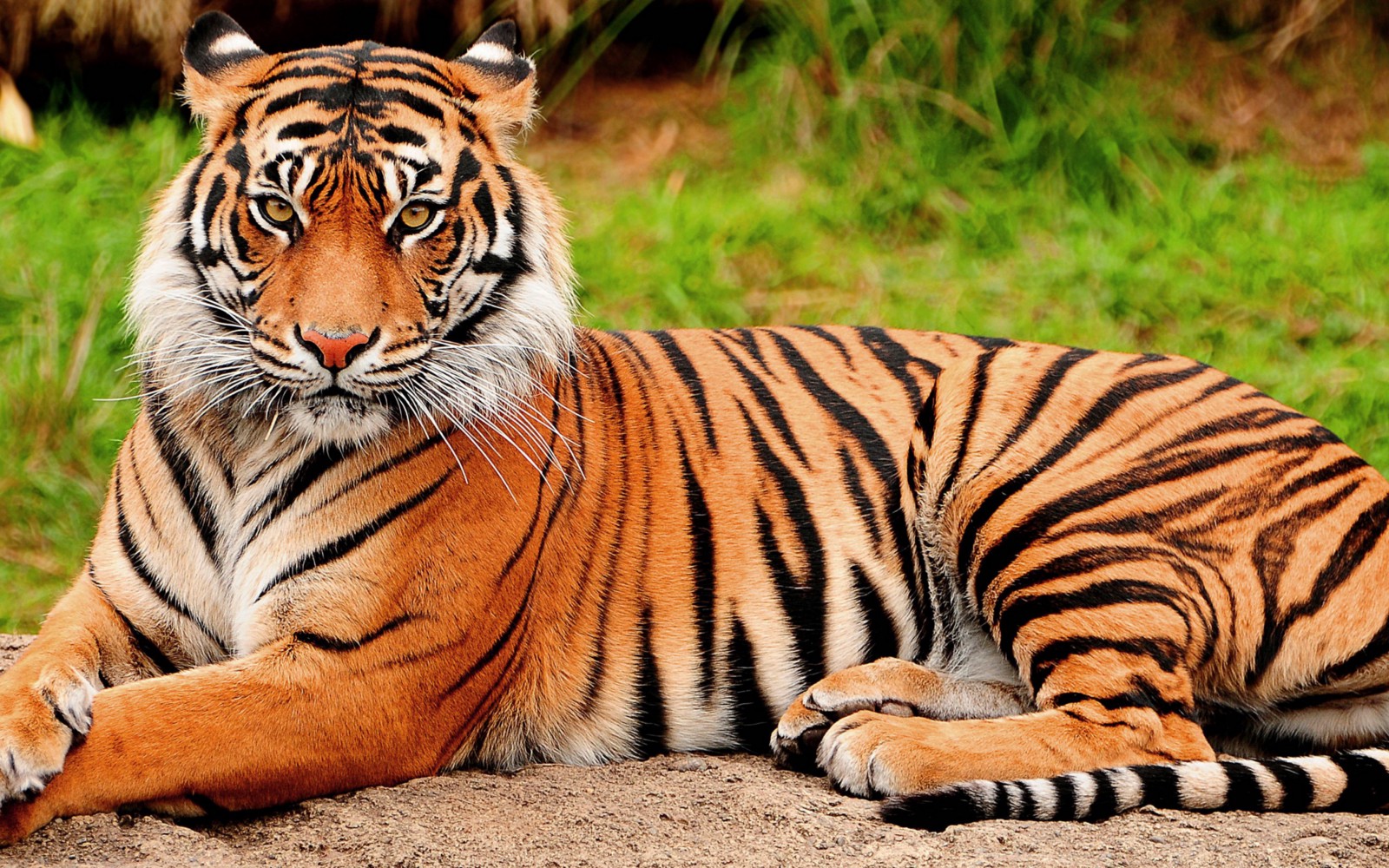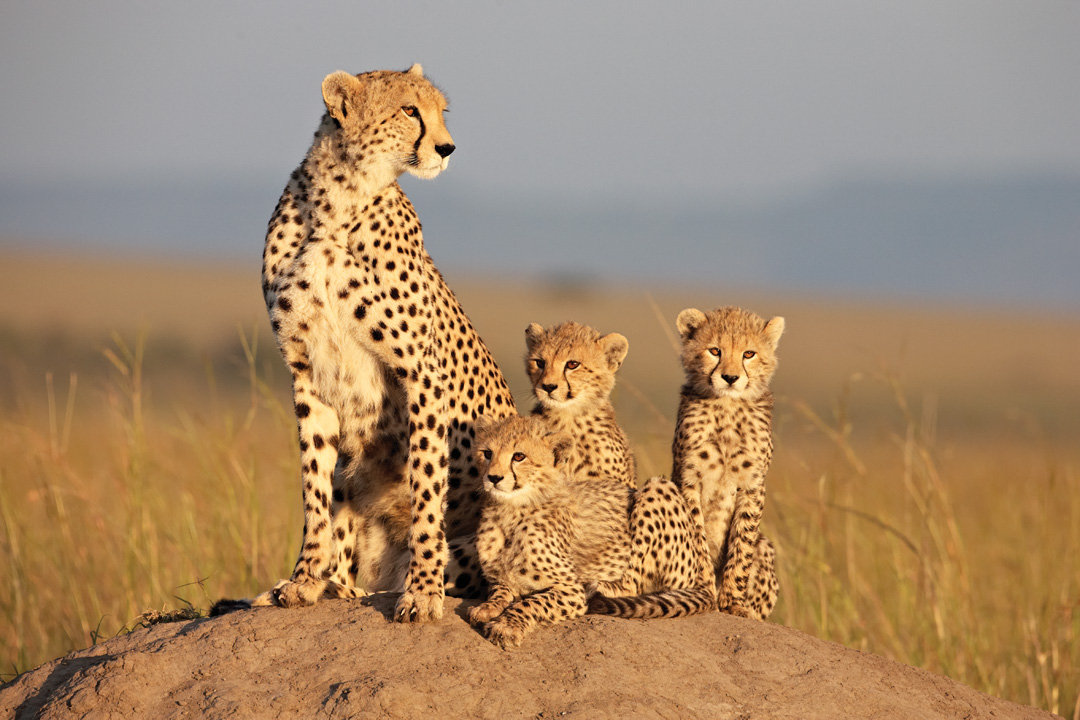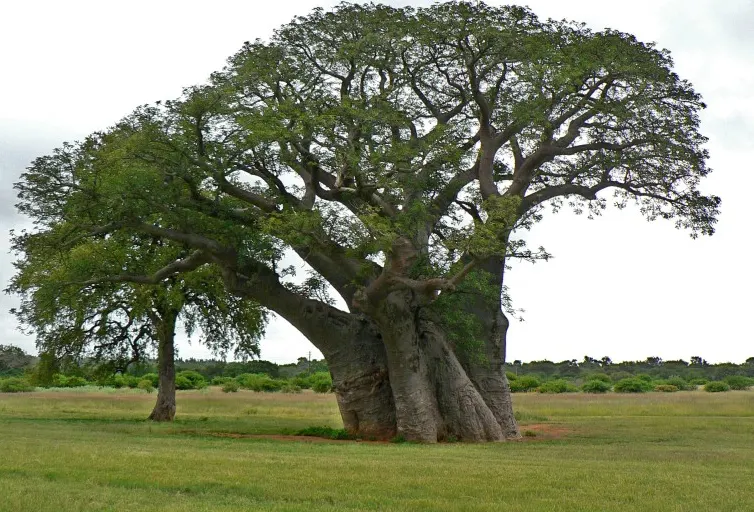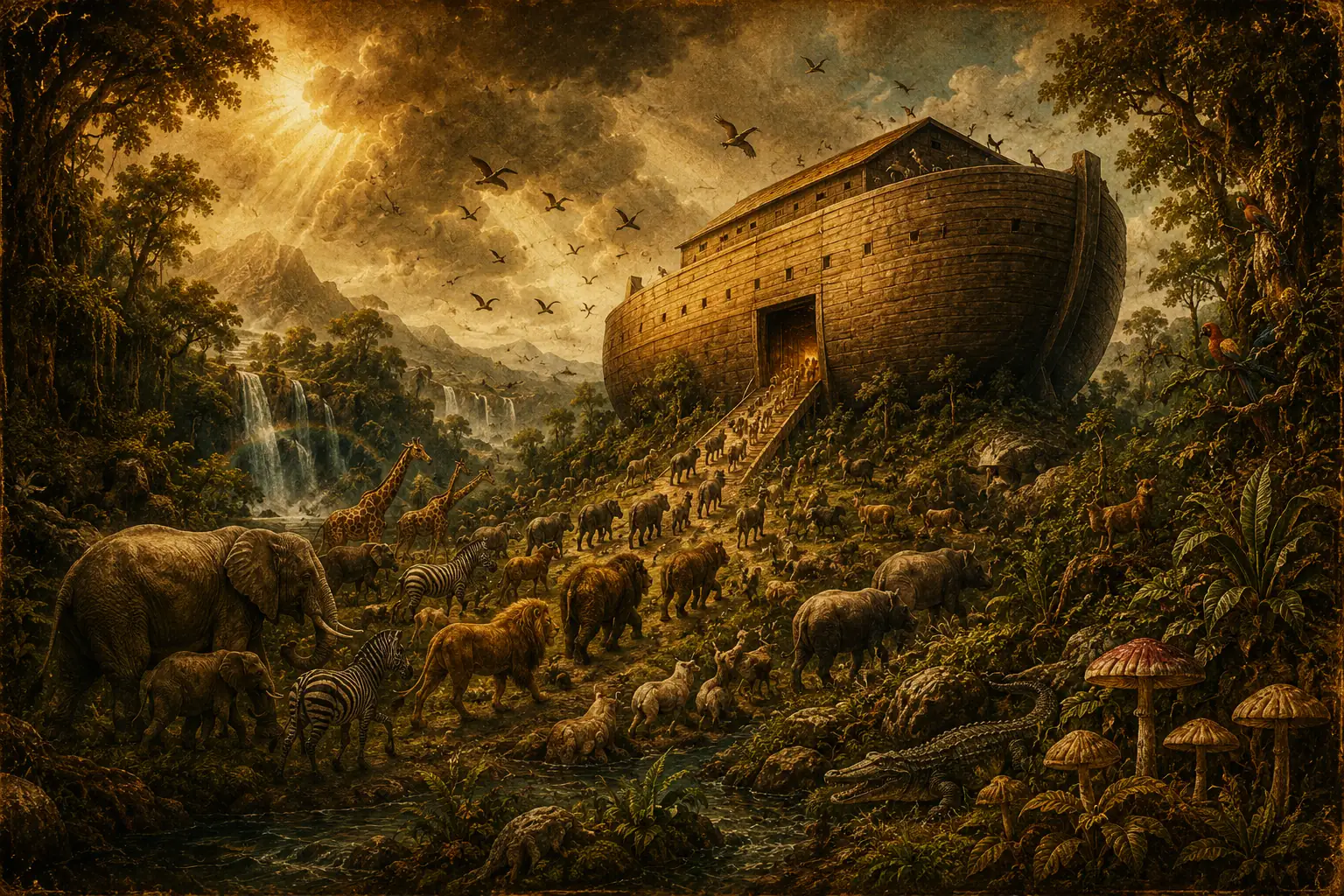
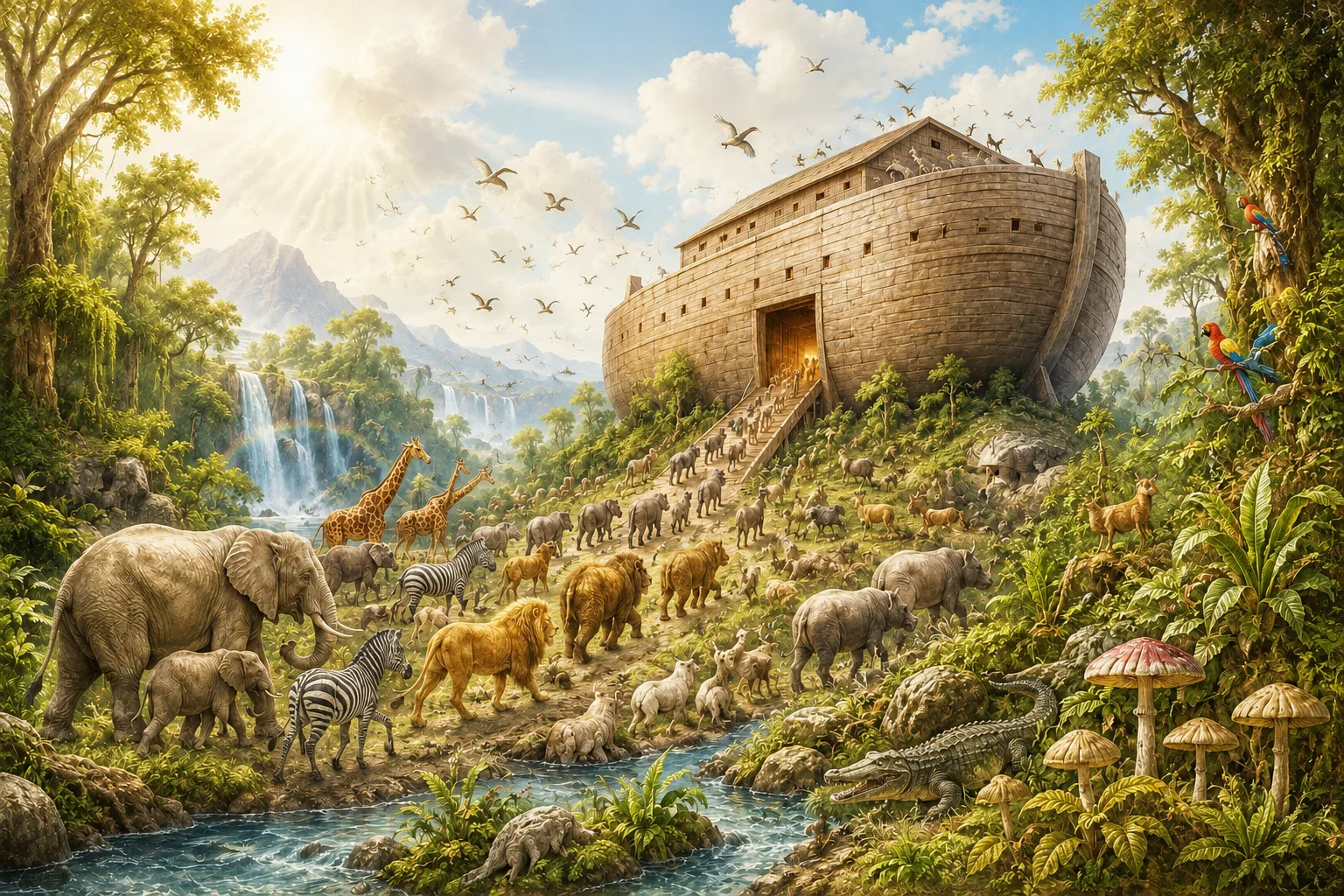










A hand-illustrated tableau of Noah's Ark with animals gathering toward it — The Arkive of Noah.
The Living Archive
Welcome to The Arkive

The Arkive
of
Noah.

A living visual archive of the natural world — plants, animals, fungi, algae, and elements, beautifully curated and rigorously researched. Beginning in the land of origin, growing outward.

Field guidesEncyclopediaPhotographsIndependent
THE NEXUS | Ecology meets Economy.

This week's arkive.

Inside this week's archive, we connect natural wonder to industrial innovation and the macroeconomic forces shaping our world. Explore how ecological intelligence drives modern engineering — delivered directly to your inbox every Sunday.

Open the journal
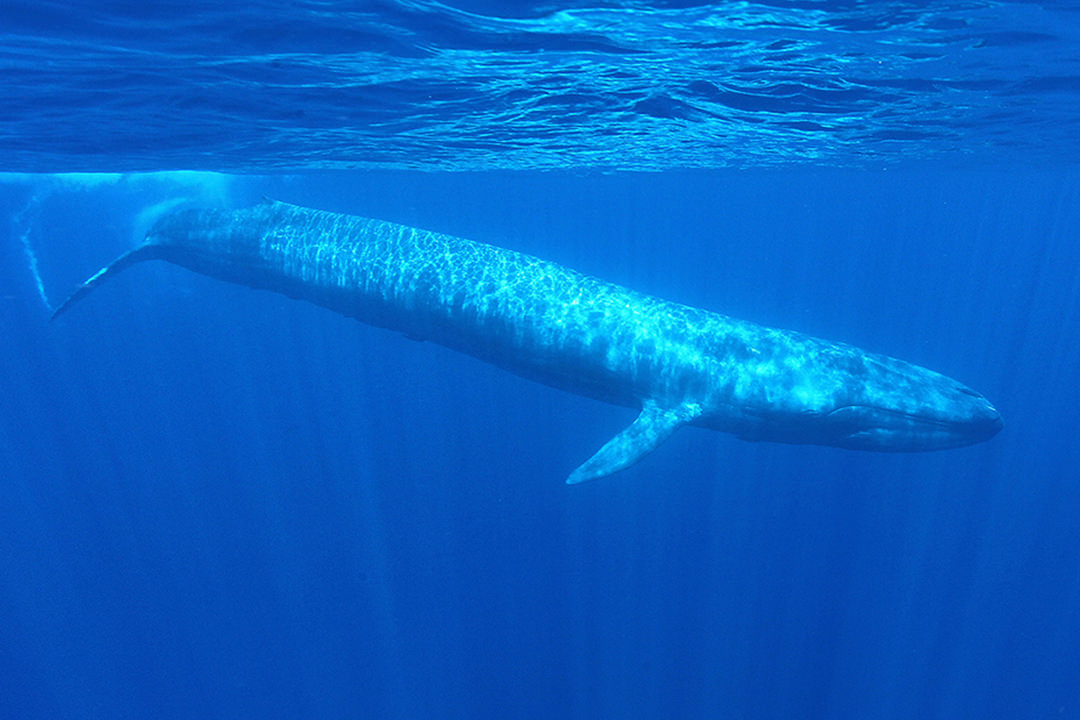
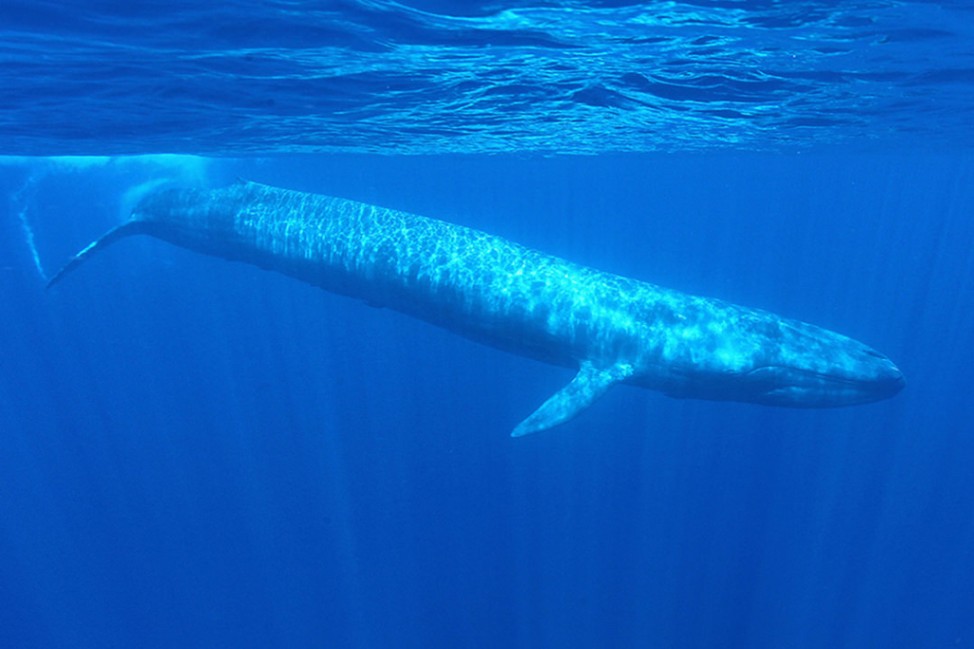
Blue Whale
1Bio-Mastery
Editor's Choice

KINGDOM ANIMAL

Blue Whale

Balaenoptera musculus

Global oceansEndangered · IUCNLegendary

The largest animal that has ever existed is alive right now. The blue whale's heart weighs as much as a grand piano and beats so powerfully it can be heard two miles away. Its call carries at 188 decibels — louder than a jet engine — across entire ocean basins, a sound older than any human language.

What else have we overlooked, simply because it was too vast to see?

Selected Books
  • Sapiens - A Brief History of Human kind - Amharic

    Sapiens - A Brief History of Human kind - Amharic

    $9.99$19.99
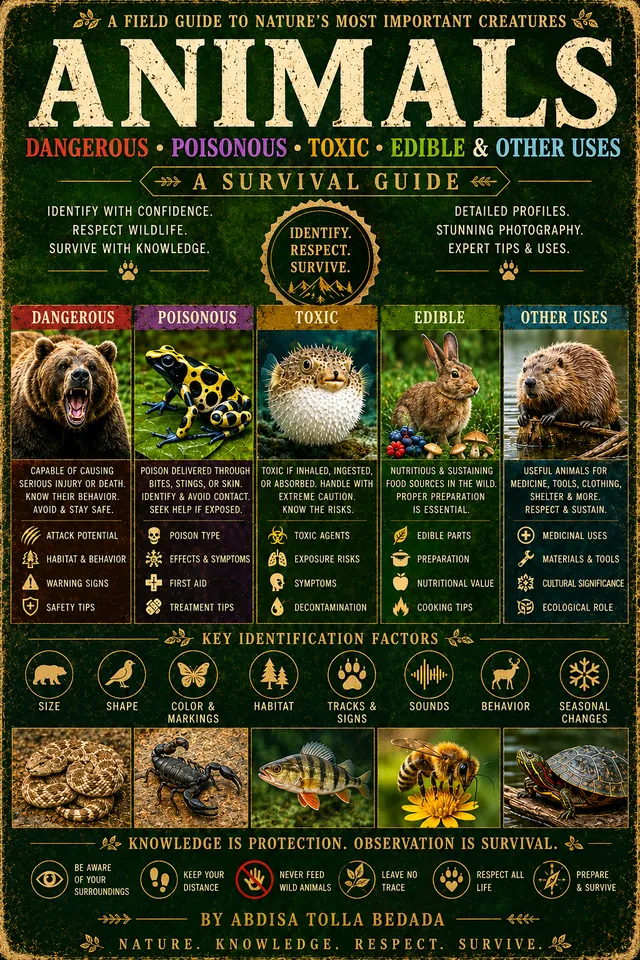
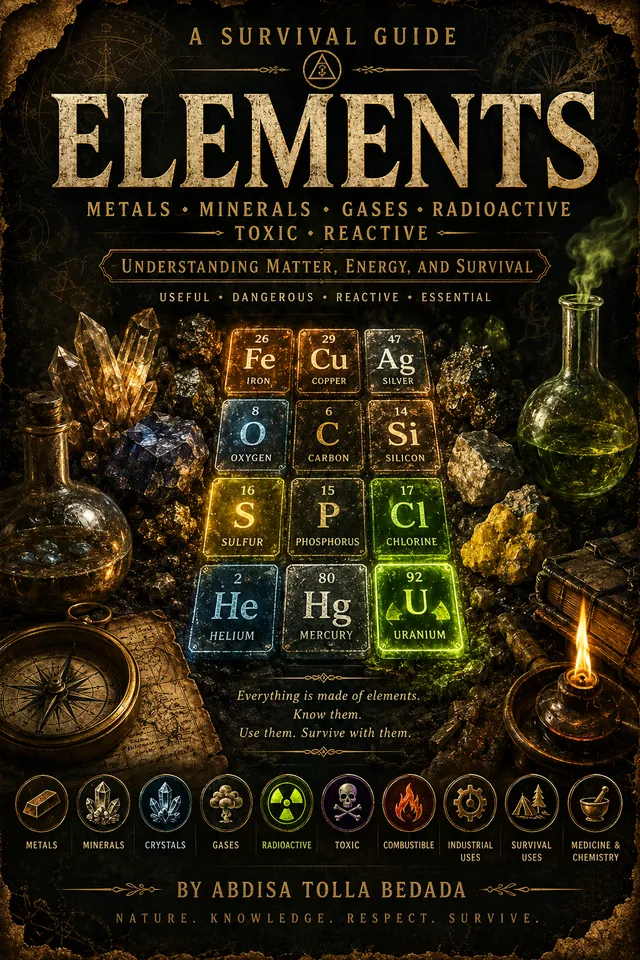
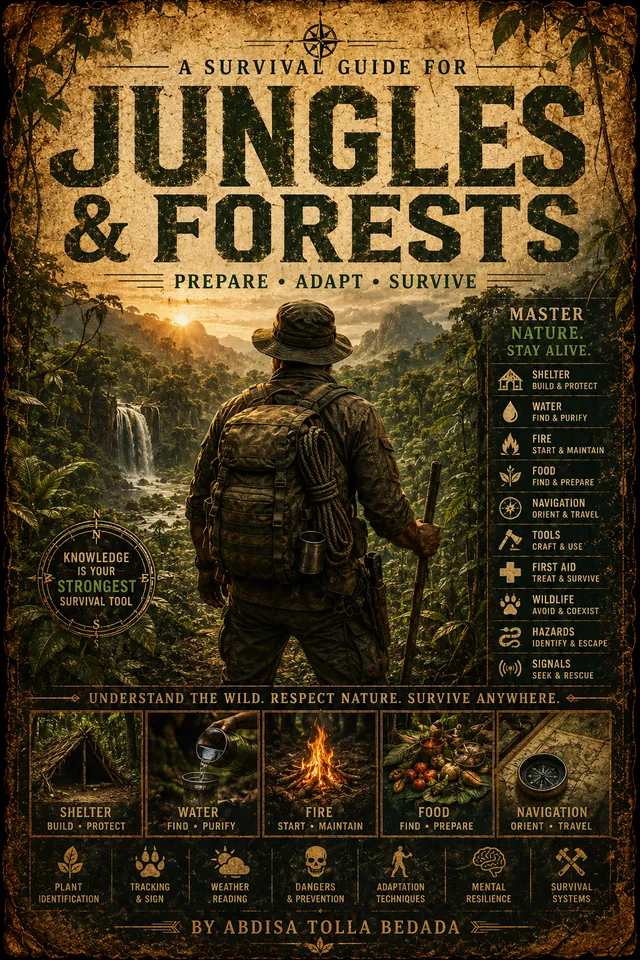
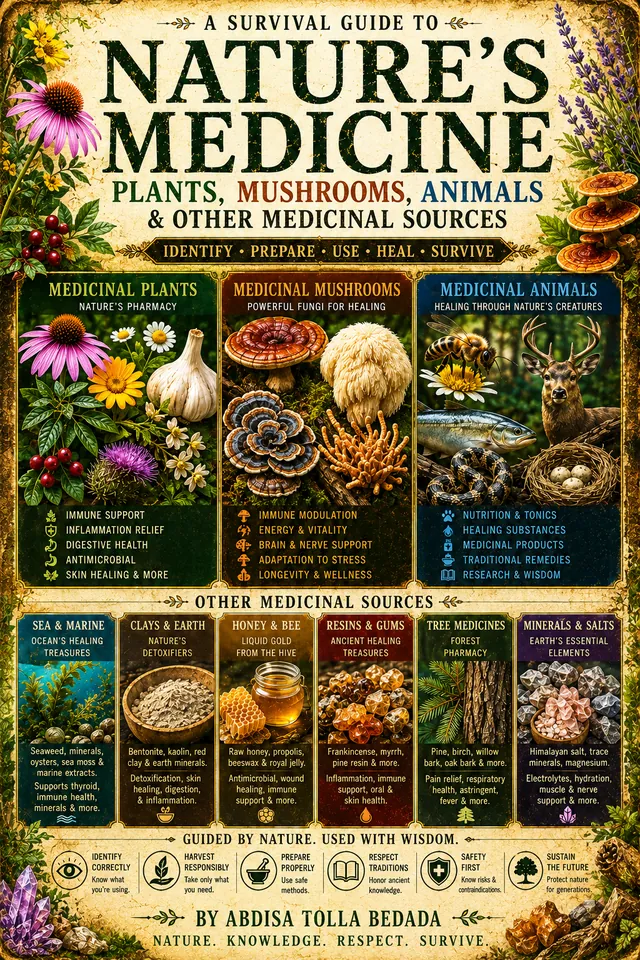
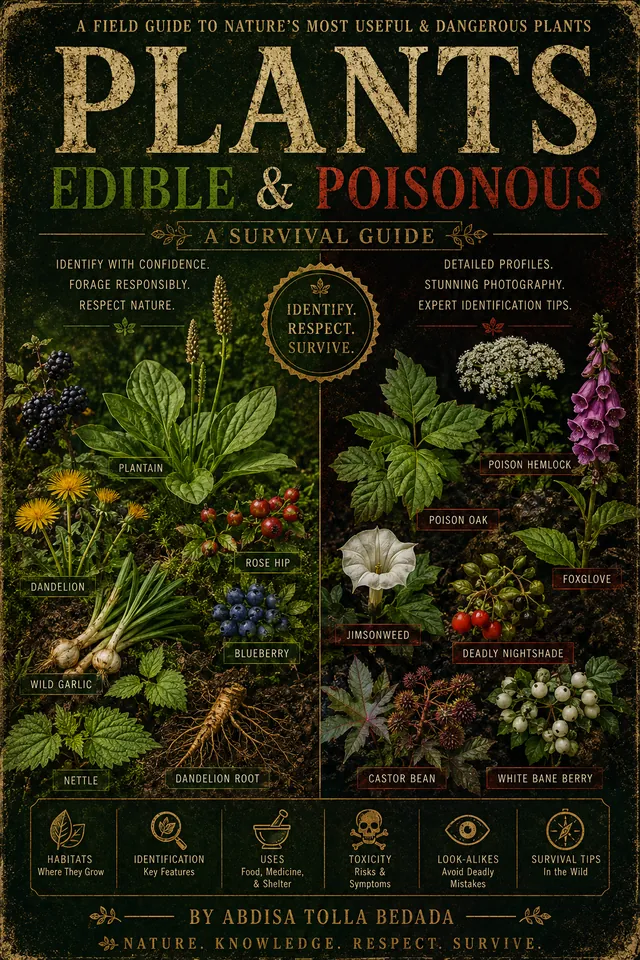
  • Survival — Your Guide to WildernessComing Soon

    Survival — Your Guide to Wilderness

    $24.00$38.00
    Coming soon
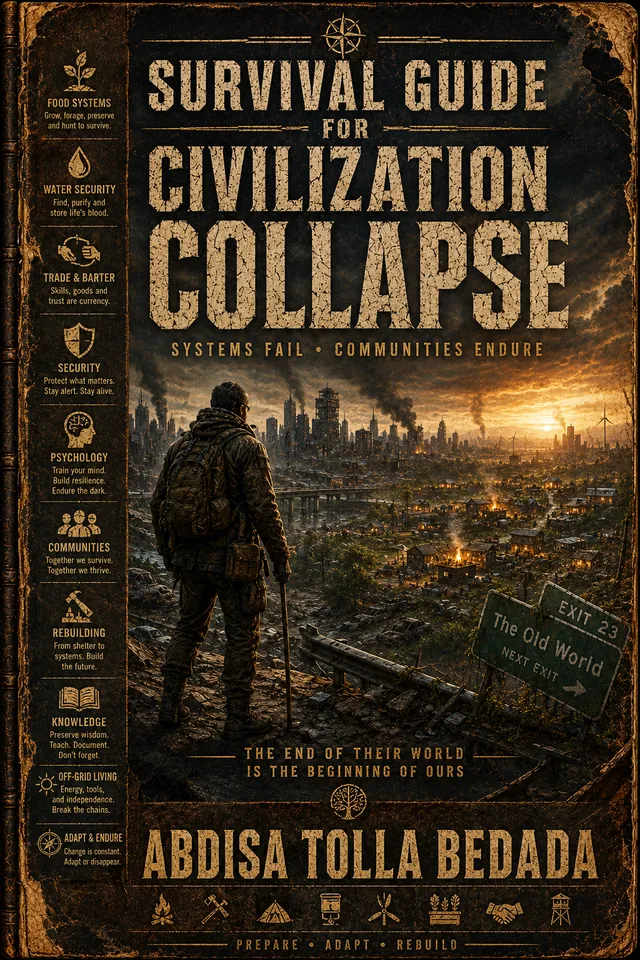
  • Survival — Your Guide to Man-Made and Natural Disasters - AmharicComing Soon

    Survival — Your Guide to Man-Made and Natural Disasters - Amharic

    $9.99$19.00
    Coming soon
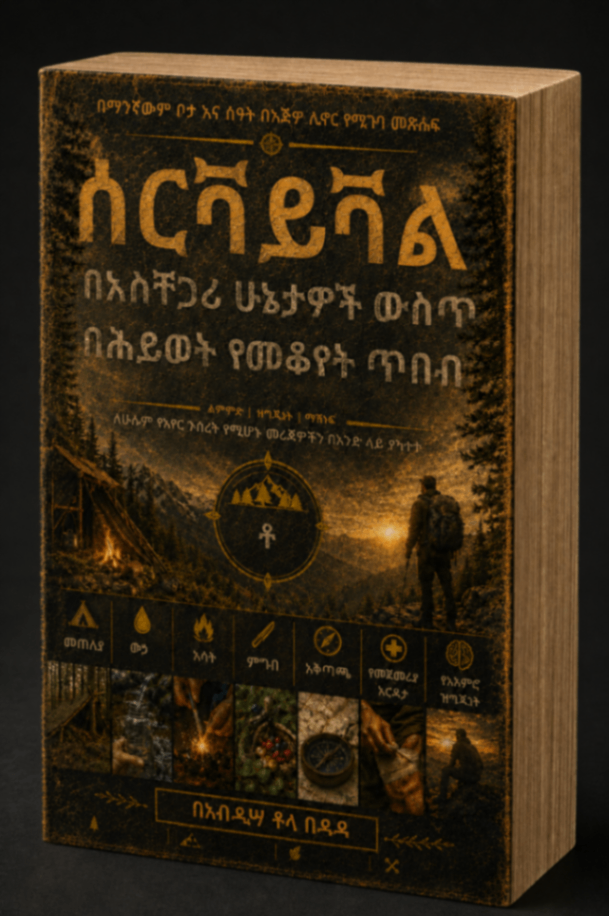
  • ሰርቫይቫል - በአስቸጋሪ ሁኔታዎች ውስጥ በሕይወት የመቆየት ጥበብ

    ሰርቫይቫል - በአስቸጋሪ ሁኔታዎች ውስጥ በሕይወት የመቆየት ጥበብ

    Free
    Read free
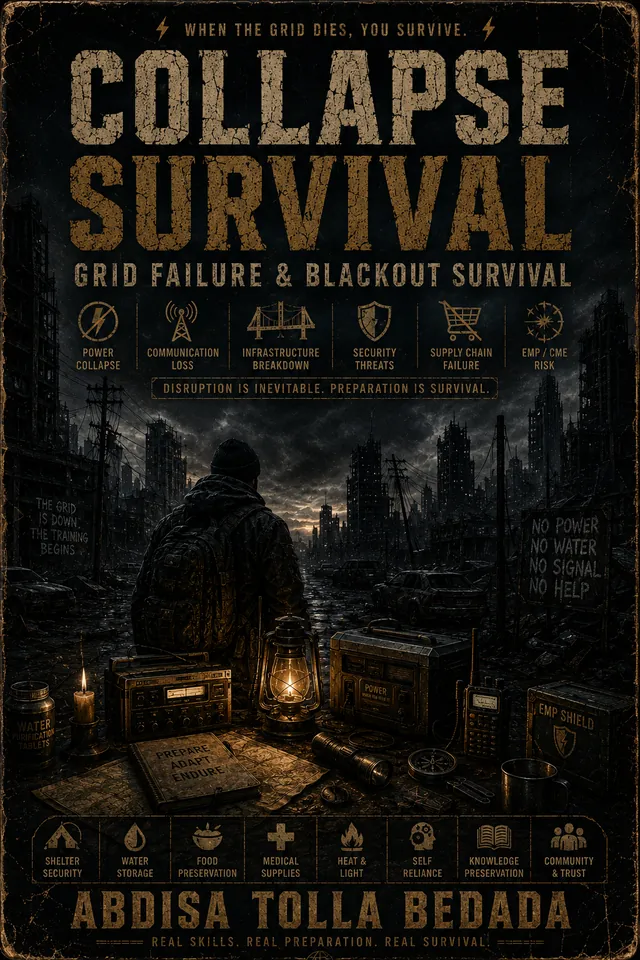
  • Survival — Your Guide to Natural And Man-Made DisastersComing Soon

    Survival — Your Guide to Natural And Man-Made Disasters

    $24.00$38.00
    Coming soon
See all in the shop
New Arrivals
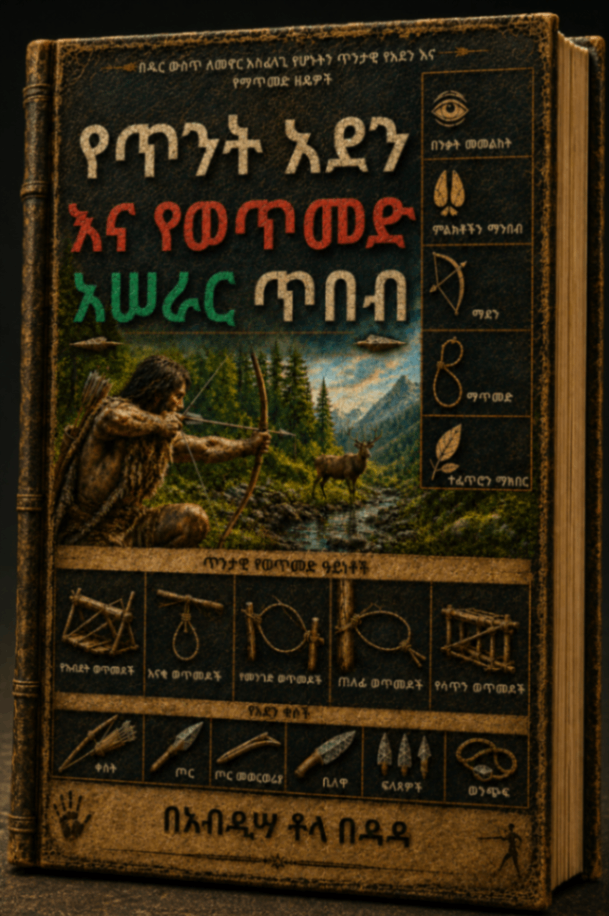
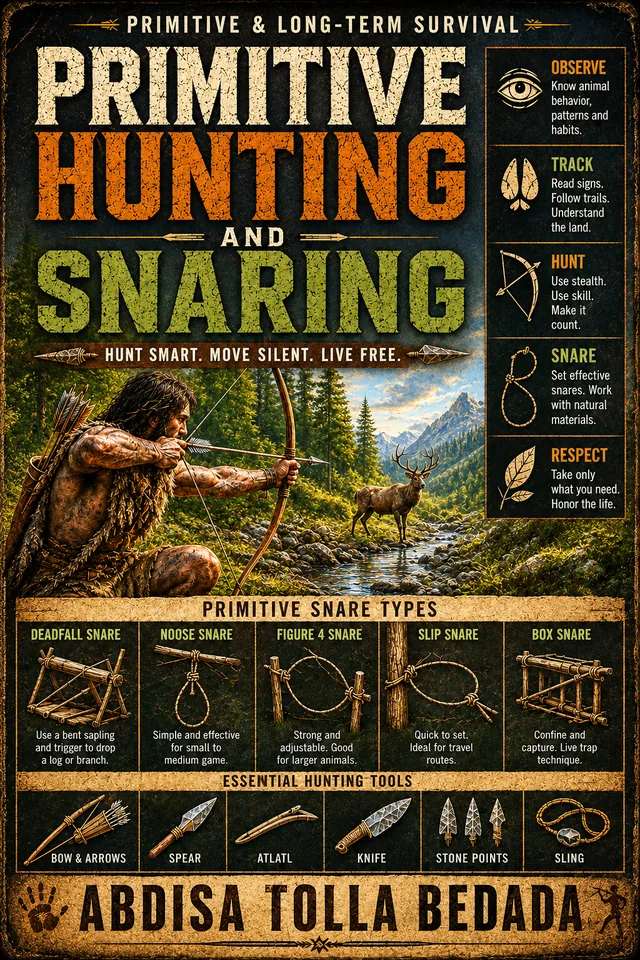
  • Survival — Your Guide to Hunting and Snaring - AmharicComing Soon

    Survival — Your Guide to Hunting and Snaring - Amharic

    $9.99$19.00
    Coming soon
  • Survival — Your Guide to MushroomsComing Soon

    Survival — Your Guide to Mushrooms

    $24.00$38.00
    Coming soon
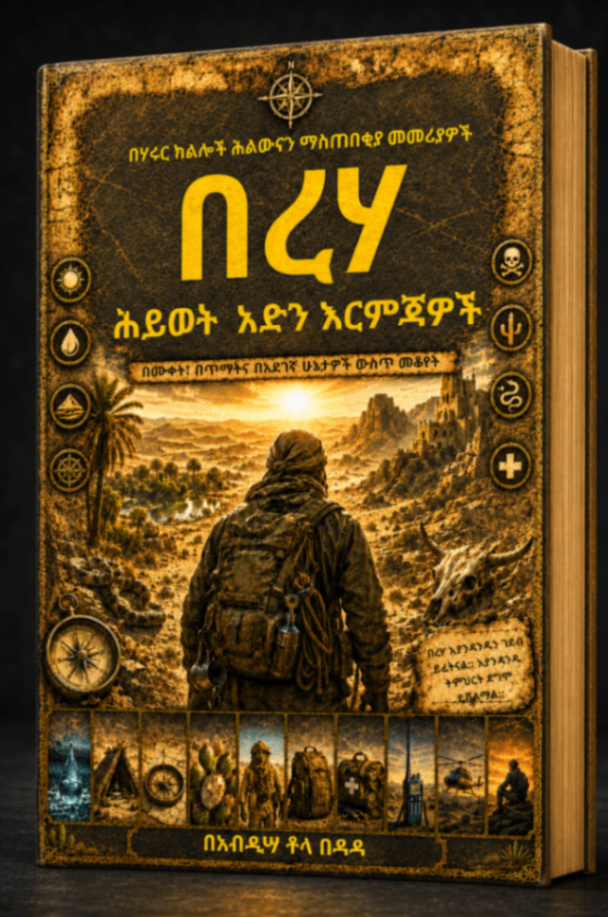
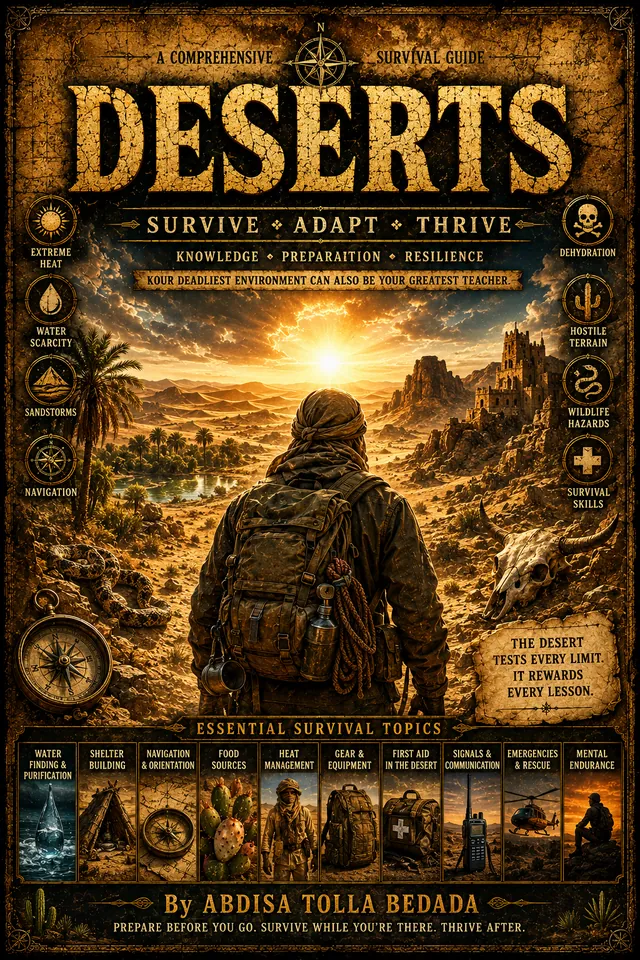
  • Survival — Your Guide to DesertsComing Soon

    Survival — Your Guide to Deserts

    $9.99$19.00
    Coming soon
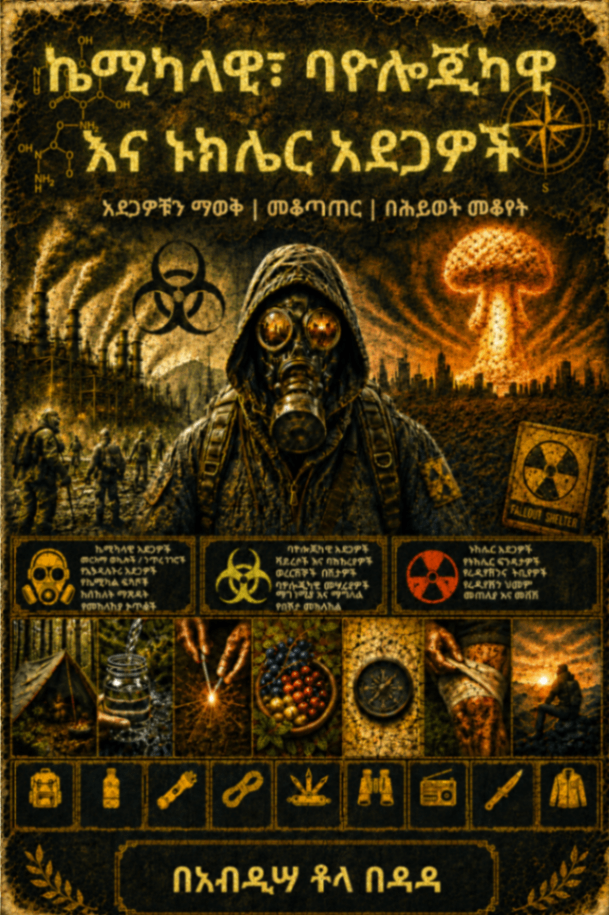
  • Survival — Your Guide to Chemical-Biological And Nuclear DisastersComing Soon

    Survival — Your Guide to Chemical-Biological And Nuclear Disasters

    $9.99$19.00
    Coming soon
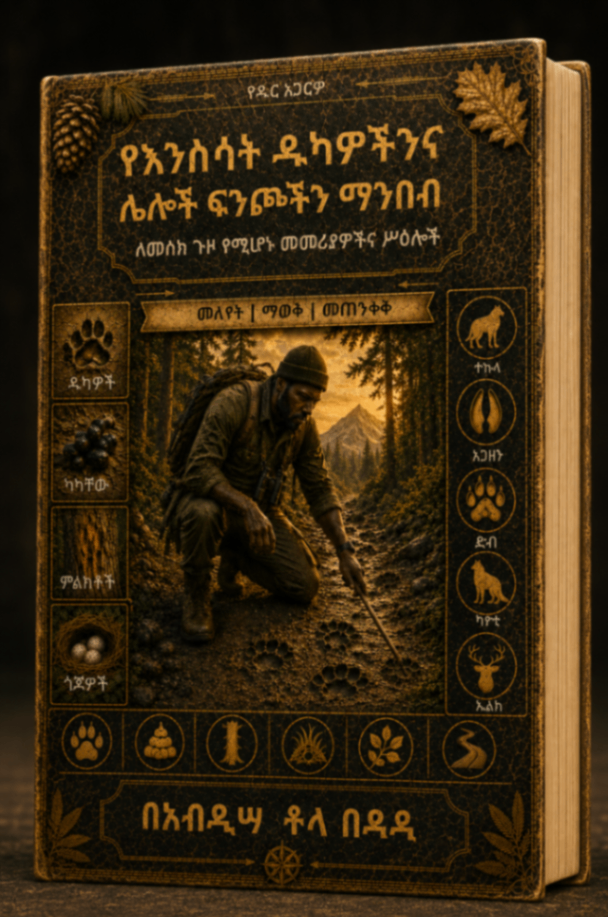
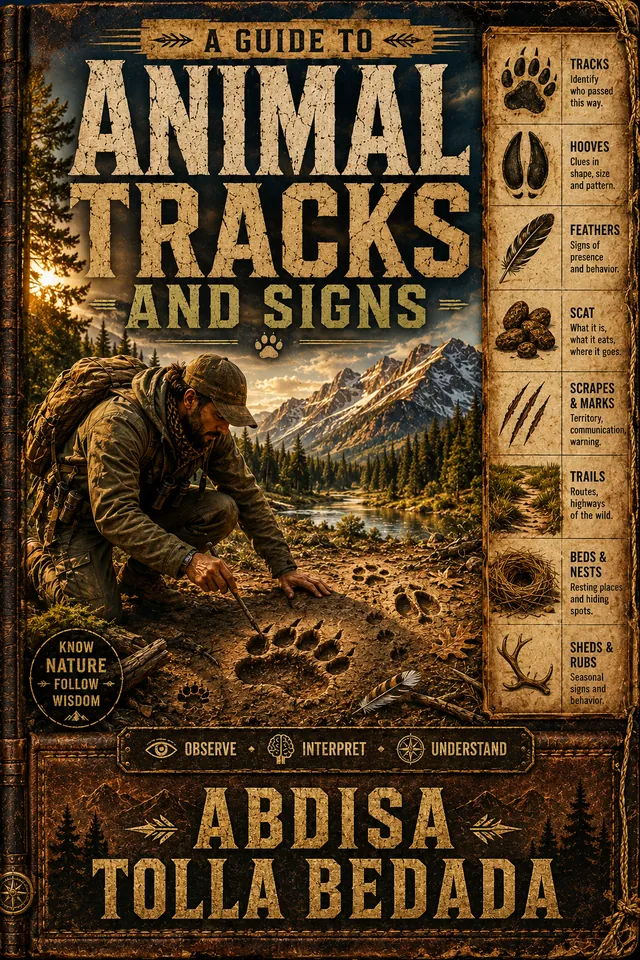
  • Animal Tracks and SignsComing Soon

    Animal Tracks and Signs

    $9.99$19.00
    Coming soon
See all in the shop
The collection

Explore the natural world

A curated archive across plants, animals, fungi, algae, and elements — searchable by name, region, and rarity.

142,384
Species
38,123
Regions
5
Categories

Rarity spectrum

Highlights

Result preview

142,384of 142,384 species

Showing 20 of 142,384 species.

Showing 20 of 142,384 species

The Footprint · Land of Origins

Ethiopia | Cradle of Humankind.

Where our species first stood, the land still keeps thirteen climates in a single border — alpine moorland to salt desert, the wild birthplace of coffee to ancient stone kingdoms. The archive begins here, in the country that gave the world its first dawn.

The country that gave the world its first dawn.

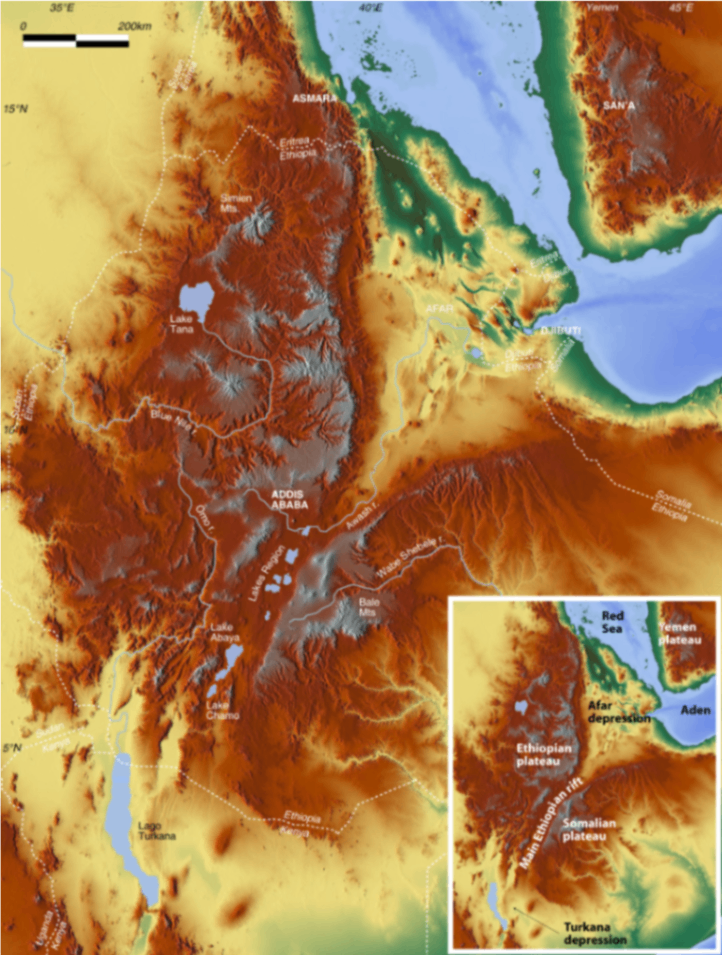
  • The Afar Lowlands | The Tectonic Cradle | ECOLOGICAL ZONE · RIFT VALLEY DEPRESSIONhttps://ethiopianrift.cnr.it/the-ethiopian-rift-valley/

    The Afar Lowlands | The Tectonic Cradle | ECOLOGICAL ZONE · RIFT VALLEY DEPRESSION

    The Afar Lowlands
    The Awash River Basin & The Afar Triple Junction አፋር

    AFAR (ETHIOPIA) · WILD · LEGENDARY

    The Afar Lowlands sit at a raw tectonic junction where the Earth’s crust is pulling apart, fracturing the landscape to expose layers of deep time. This hyper-arid, shifting basin has served as a perfect geological trap, quickly burying and fossilizing the remains of early hominids over millions of years. It is not just a desert, but the planet's premier window into human genesis, keeping an uninterrupted record of our oldest ancestors.

    Are we viewing this harsh desert merely as an empty wasteland, or as the foundational geological crucible where the human story was written?

  • Lucy | Dinkinesh | PALEO-ANTHROPOLOGY · EVOLUTIONARY LEAPMichael Hagelberg / ASU Research Magazine

    Lucy | Dinkinesh | PALEO-ANTHROPOLOGY · EVOLUTIONARY LEAP

    Lucy - Dinkinesh
    Australopithecus afarensis (3.2 Million Years Old) ድንቅነሽ

    HADAR (ETHIOPIA) · LEGENDARY

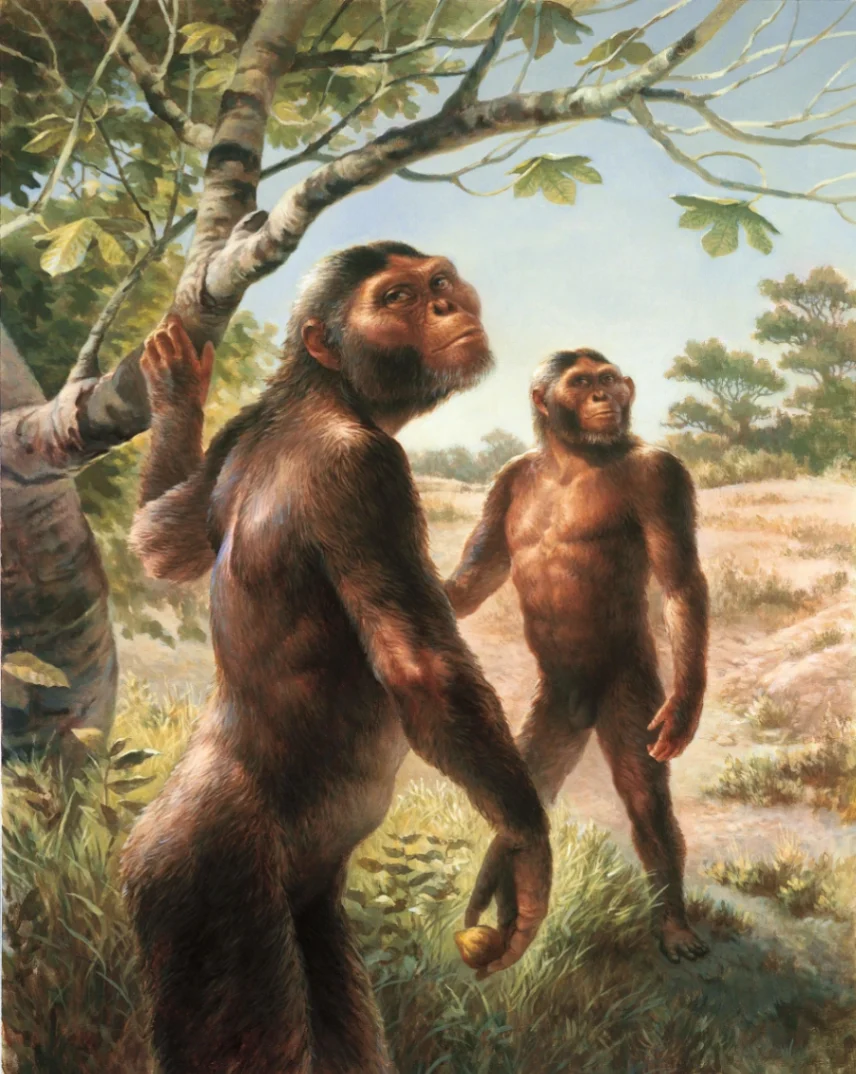
    Discovered in Hadar in 1974, "Dinkinesh" (meaning "you are marvelous") is arguably the most famous fossil in the world. Representing 40% of an Australopithecus afarensis skeleton, Lucy provided the definitive proof that our ancestors walked upright on two legs long before they developed large brains. Her discovery fundamentally remapped the tree of human evolution and cemented Ethiopia's position as the true birthplace of humanity.

    Are we valuing this ancient skeleton merely as a museum exhibit, or as the ultimate genetic matriarch that connects all of modern humanity?

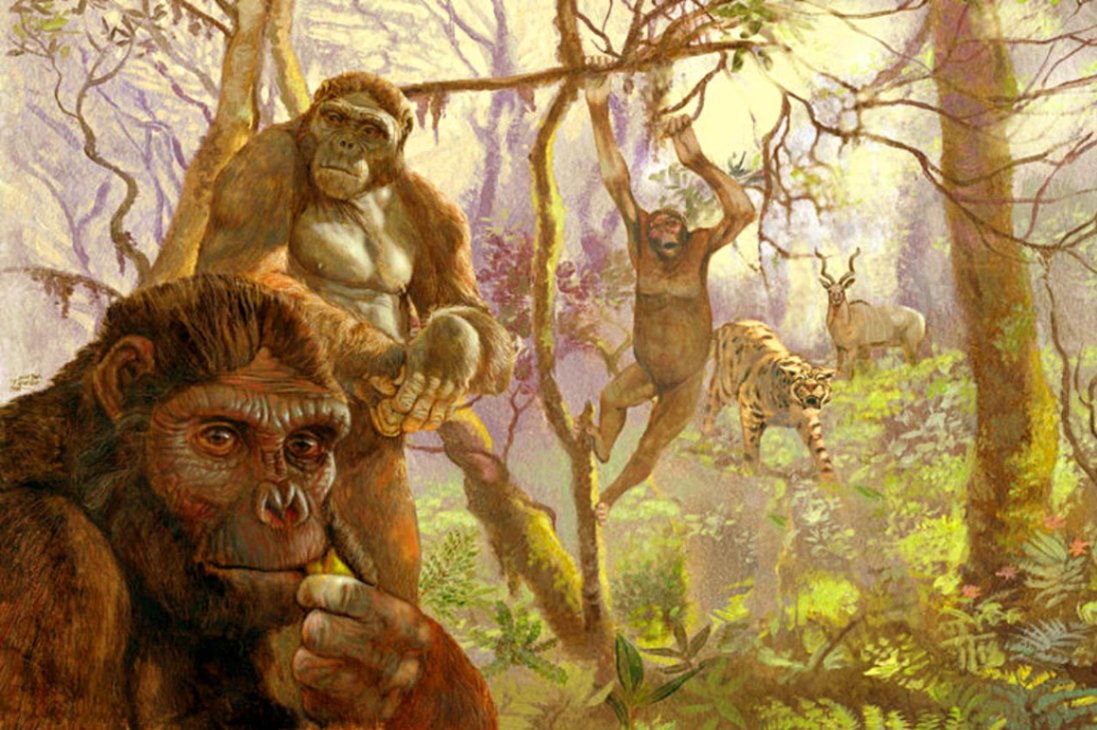
  • Ardi | PALEO-ANTHROPOLOGY · THE FOREST ANCESTORArdipithecus ramidus, a hominid that lived in Africa more then 4 million years ago. Illustration by Arturo Asensio, via Quo.es.

    Ardi | PALEO-ANTHROPOLOGY · THE FOREST ANCESTOR

    Ardi
    PALEO-ANTHROPOLOGY · THE FOREST ANCESTOR

    Ardi
    Ardipithecus ramidus (4.4 Million Years Old) አርዲ

    MIDDLE AWASH (ETHIOPIA) · LEGENDARY

    Pushing the human story even further back into the mists of time, Ardi is a stunningly complete 4.4-million-year-old female skeleton discovered in the Middle Awash. Older than Lucy by over a million years, Ardi reveals a critical transitional phase: she was capable of walking upright on the ground but retained a grasping big toe perfectly adapted for climbing trees in ancient, lush woodlands.

    Does Ardi represent just an ancient bone structure, or the critical bridge where our ancestors first chose the ground over the canopy?

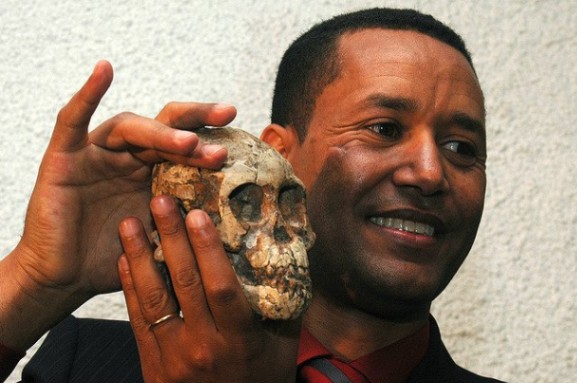
  • Selam | The Child of Dikika | PALEO-ANTHROPOLOGY · ANCIENT CHILDHOODDIK-1-1 'Selam' - 3.3 million years old Australopithecus afarensis child discovered by @Zeray_Alemseged at Dikika, Ethiopia in 2000

    Selam | The Child of Dikika | PALEO-ANTHROPOLOGY · ANCIENT CHILDHOOD

    Selam
    Australopithecus afarensis (3.3 Million Years Old) ሰላም

    DIKIKA (ETHIOPIA) · LEGENDARY

    Often called "Lucy’s Baby" despite being 100,000 years older, Selam is the remarkably intact skeleton of a three-year-old Australopithecus afarensis female found in Dikika. The preservation of her skull, milk teeth, and torso offers scientists a rare look into hominid growth and childhood development millions of years ago, proving that even our earliest ancestors experienced prolonged, human-like childhoods.

    Are we reflecting on Selam merely as a scientific marvel, or as a poignant reminder of our shared, fragile beginnings as a species?

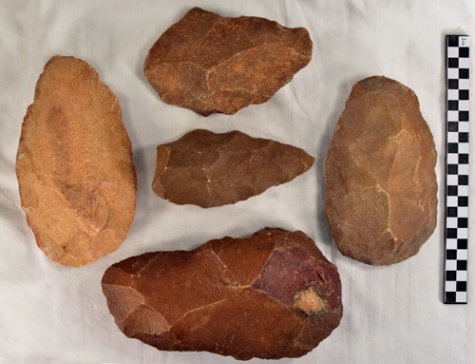
  • Gona Stone Tools | ARCHAEOLOGY · THE BIRTH OF TECHNOLOGYCreator: Museum of Anthropology Mizzou Copyright: 2016

    Gona Stone Tools | ARCHAEOLOGY · THE BIRTH OF TECHNOLOGY

    Gona Stone Tools
    Oldowan Lithic Technology (2.6 Million Years Old) የጎና የድንጋይ መሣሪያዎች

    GONA (ETHIOPIA) · LEGENDARY

    Humanity is defined by its capacity to create and use technology, and that trait began in Gona, Ethiopia. Here, researchers discovered the world's oldest known manufactured stone tools, dating back 2.6 million years. These simple but sharp Oldowan flakes and cores reveal the exact moment our ancestors shifted from passive foragers to active modifiers of their environment, unlocking new protein-rich diets through butchery.

    Are we recognizing these simple fractured rocks as the true genesis of all human engineering, computing, and modern technology?

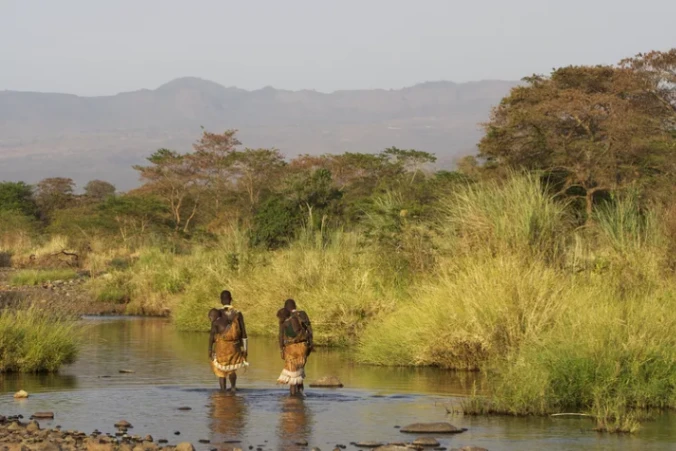
  • Omo Kibish & Herto | PALEO-ANTHROPOLOGY · ANATOMICAL DAWNSuri women with child on back in the Omo Valley of Ethiopia. Credit: Piper Mackay / Getty Images

    Omo Kibish & Herto | PALEO-ANTHROPOLOGY · ANATOMICAL DAWN

    Omo Kibish & Herto
    Early Homo sapiens (195,000 – 160,000 Years Old) ኦሞ ኪቢሽ እና ሄርቶ

    OMO VALLEY / AFAR (ETHIOPIA) · LEGENDARY

    While fossils like Lucy and Ardi map our distant pre-human ancestors, Omo Kibish and Herto reveal the exact dawn of us. The skull fragments found at Omo Kibish (Omo I) and Herto represent the oldest anatomically modern human (Homo sapiens) remains ever discovered on Earth. These fossils prove that humans who looked exactly like we do today walked the Ethiopian rift valleys long before migrating to the rest of the globe.

    Are we recognizing these ancient river valleys as the physical origin point where the modern human mind and body first crystallized?

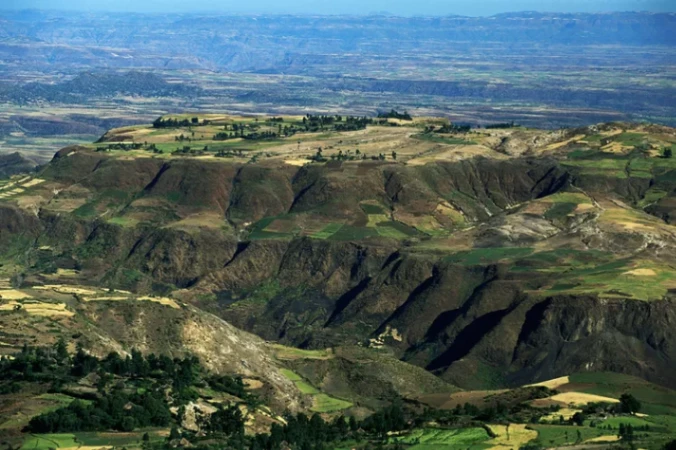
  • The Great Rift Valley Migration Highway | GEOGRAPHY · ECO-CORRIDORAerial View of the Great Rift Valley of Eastern Africa. Credit: Philippe Bourseiller / Getty Images

    The Great Rift Valley Migration Highway | GEOGRAPHY · ECO-CORRIDOR

    The Rift Highway
    The Out-of-Africa Dispersal Corridor የስምጥ ሸለቆ ኮሪደር

    RIFT VALLEY (ETHIOPIA) · LEGENDARY

    The Great Rift Valley of Ethiopia didn't just nurture human evolution; it acted as the geographical launchpad for global expansion. This continuous chain of fresh-water lakes, lush grasslands, and game-rich savannas provided a natural northward highway. Following this green corridor, early Homo sapiens expanded out of the horn of Africa to eventually populate every corner of the planet.

    Do we view this valley merely as a geological fault line, or as the primary vector that directed the map of global human distribution?

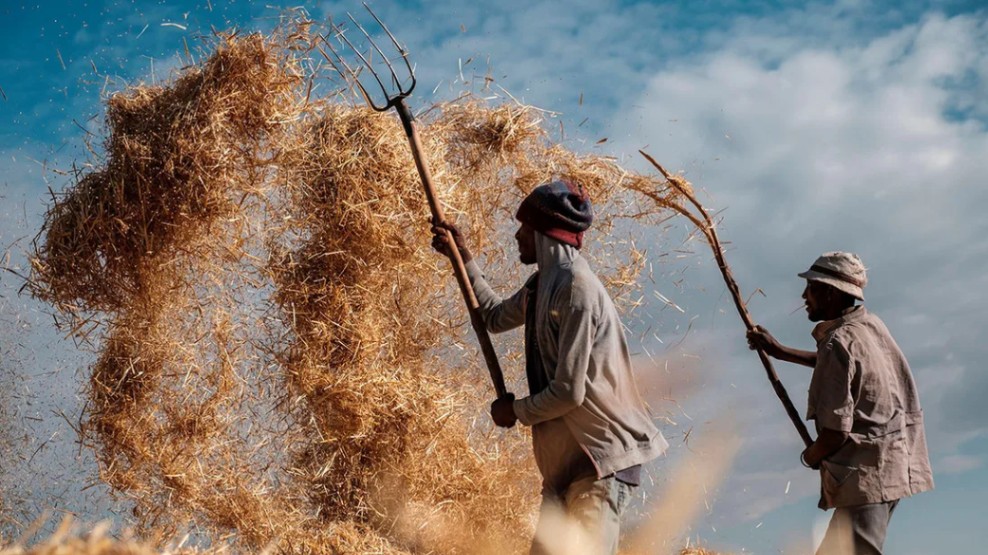
  • Domesticated Biodiversity | AGRICULTURE · THE CRADLE OF SUSTENANCEPhotograph: AFP

    Domesticated Biodiversity | AGRICULTURE · THE CRADLE OF SUSTENANCE

    Agricultural Genesis
    Teff, Enset, and Ancient Ecosystems የእህል ዘር መገኛ

    ETHIOPIAN HIGHLANDS · LEGENDARY

    Being the cradle of humankind extends beyond bones into the very crops that sustain civilization. The isolated Ethiopian highlands served as an evolutionary incubator for unique, highly resilient crops like Teff (Eragrostis tef) and Enset (Ensete ventricosum, the "false banana"). These ancient, drought-resistant crops represent a deep, ancestral masterclass in agricultural self-reliance that fed early human settlements for thousands of years.

    Are we protecting these ancient highland grains as mere historical crops, or as vital genetic assets for future global food security?

  • Melka Kunture ARCHAEOLOGY · ANCIENT WORKSHOPShttps://sadorethiopiatours.com/melke-kunture-unesco-world-heritage-site/

    Melka Kunture ARCHAEOLOGY · ANCIENT WORKSHOPS

    Melka Kunture
    The Pleistocene Living Floors መልካ ቁንጡሬ

    AWASH RIVER UPPER BASIN (ETHIOPIA) · LEGENDARY

    Located in the highlands near the Awash River, Melka Kunture is a massive complex of prehistoric living floors that spans over 1.5 million years of continuous human occupation. This site showcases the evolution from early Acheulean handaxes to more refined obsidian tools, documenting how changing climates forced our ancestors to adapt their technologies across successive ice ages.

    Are we viewing these dense fields of obsidian flakes as primitive debris, or as the monumental archives of a million-year-old industrial zone?
  • High-Altitude Hypoxia Adaptation BIO-MASTERY · GENETIC EVOLUTION

    High-Altitude Hypoxia Adaptation BIO-MASTERY · GENETIC EVOLUTION

    Highland Hypoxia Mastery
    EPAS1 & Human Physiological Selection የከፍታ መላመድ ተፈጥሮ

    ETHIOPIAN HIGHLANDS · WILD · LEGENDARY

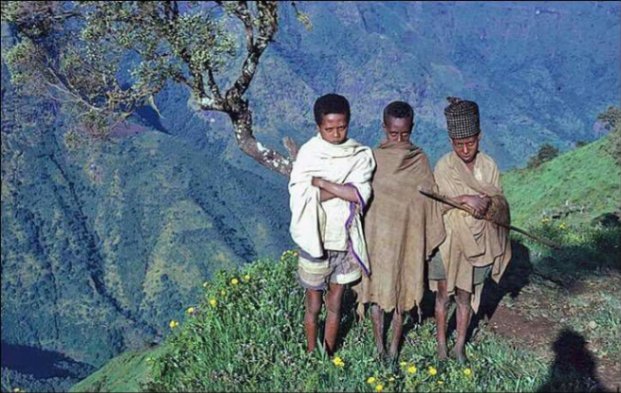
    When early Homo sapiens ascended from the lowlands into the rugged Ethiopian highlands, they encountered an invisible barrier: hypoxia, or severe oxygen deprivation. Over millennia, the isolated communities of the Amhara and Oromia plateaus developed unique genetic mutations—centered on the EPAS1 gene—that allow their bodies to utilize oxygen with extraordinary efficiency without thickening the blood. This ancient, localized evolutionary armor makes them the premier natural architects of high-altitude endurance on the planet.

    Are we decoding this highland respiratory mastery merely as athletic talent, or as a living archive of how human DNA morphs to conquer extreme environments?
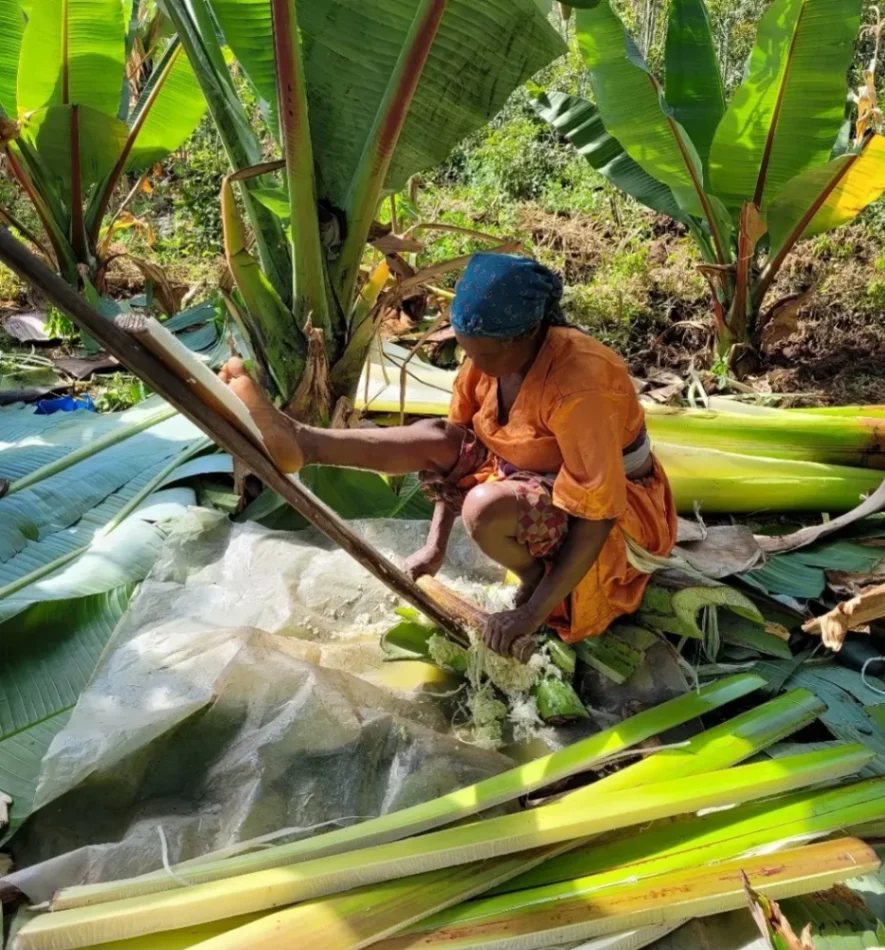
  • The Vavilov Center | Genetic Food Diversity · ECOLOGICAL ZONE · AGRICULTURAL CRADLE

    The Vavilov Center | Genetic Food Diversity · ECOLOGICAL ZONE · AGRICULTURAL CRADLE

    The Vavilov Center
    The Eighth Origin of Cultivated Plants የምግብ ብዝሃ-ሕይወት

    ETHIOPIAN HIGHLANDS · CULTIVATED · LEGENDARY

    In the early 20th century, legendary botanist Nikolai Vavilov identified Ethiopia as one of the world's primary centers of origin for cultivated crops. Due to its dramatic variation in altitude and microclimates, the region developed a staggering genetic diversity of food assets. It is not just the birthplace of Arabica coffee, but a vital evolutionary reservoir for ancestral varieties of durum wheat, barley, sorghum, finger millet, and oilseeds like Nug (Guizotia abyssinica). This genetic diversity provides a crucial buffer against pests, diseases, and climate volatility.

    Are we treating this deep agricultural sanctuary as a mere collection of local ingredients, or as the planet's ultimate genetic backup drive for crop resilience?

  • The Emergence of Regional Cultural Traditions

    The Emergence of Regional Cultural Traditions

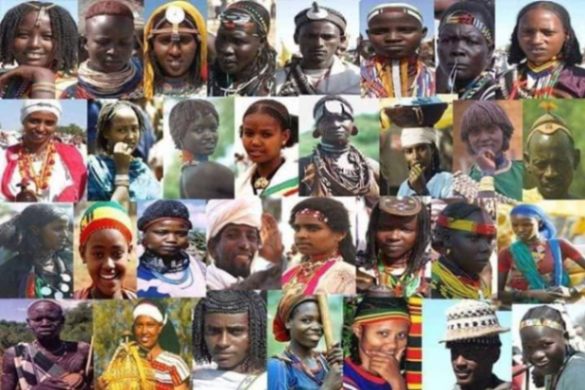
    Long before structural borders or modern civilizations existed, the highly fragmented topography of the Ethiopian rift system forced early Homo sapiens to develop distinct regional cultures to survive. Rather than a singular lifestyle, different groups began adapting uniquely to their specific microclimates—lowland foragers developed distinct seasonal migration loops, while highland cave-dwellers engineered specialized alpine hunting strategies. This fragmentation gave rise to the earliest known patterns of human cultural diversity, where tool designs, resource-sharing networks, and early symbolic behaviors began varying from one valley to the next, establishing the primal template for distinct human societies.

    Are we viewing these early behavioral variations merely as primitive survival, or as the literal birth of diverse human cultural identity?

A living mosaic of thirteen climates.

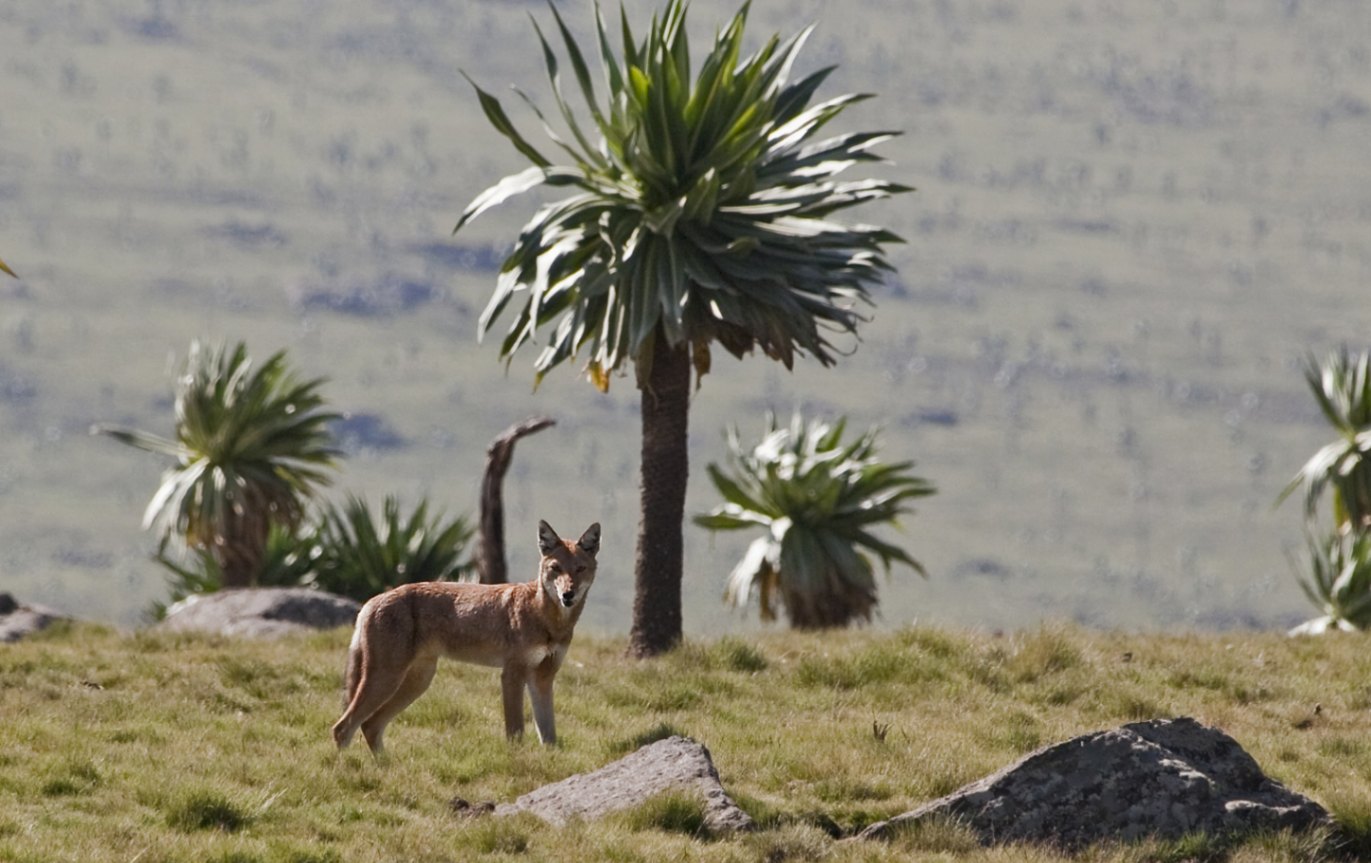
  • Afro-alpine moorlandPhoto Credit: - By Harri J - originally posted to Flickr as The Elusive Simien Wolf, CC BY 2.0, https://commons.wikimedia.org/w/index.php?curid=9645334

    Afro-alpine moorland

    Afro-alpine Moorland
    Lobelia rhynchopetalum & Canis simensis

    HIGH-ALTITUDE (ETHIOPIA) · WILD · LEGENDARY

    Above 3,200 meters, where the atmosphere thins and the frost rules, lies the Ethiopian Afro-alpine moorland - a stark, otherworldly sanctuary of high-altitude evolution. This fragile ecosystem is anchored by the majestic giant lobelia (Lobelia rhynchopetalum), towering like a biological monolith, and the endemic Ethiopian wolf (Canis simensis), Africa's rarest and most endangered carnivore. This pristine zone is not just a geographical crest, but a living asset class of extraordinary biodiversity and unique genetic heritage.

    Are we leveraging the profound eco-tourism and carbon-sequestration value of these pristine, mist-shrouded peaks?

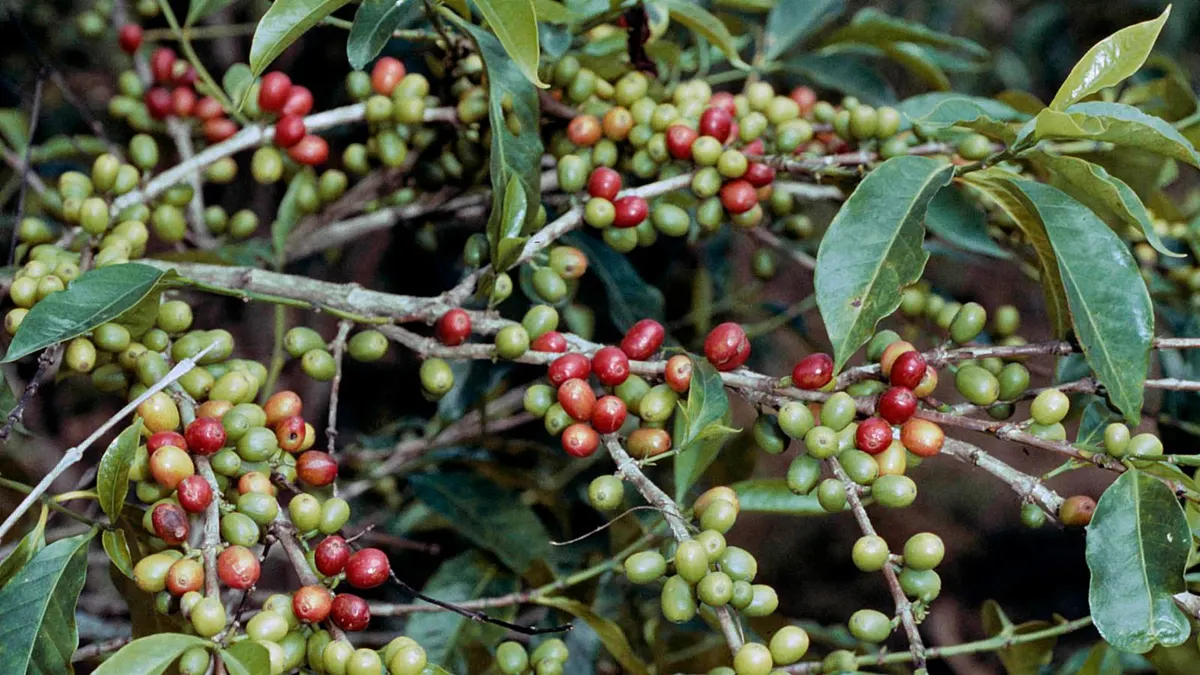
  • Birthplace of coffee

    Birthplace of coffee

    Coffea arabica ቡና
    KAFFA (ETHIOPIA) · LEGENDARY

    The global engine of modern productivity was discovered in the ancient, mist-shrouded rainforests of Kaffa, Ethiopia. Local history traces its origins to Kaldi, a 9th-century Abyssinian goat herder who noticed his flock dancing with boundless energy after chewing on mysterious bright red berries. Intrigued, Kaldi shared the fruit with local monks who initially condemned it as a distraction and threw the berries into a fire. The resulting aroma of roasting beans was so intoxicating that they quickly raked the embers, dissolved the roasted beans in hot water, and inadvertently brewed the world's first cup of coffee to fuel their nightly prayers.

    What began as a rhythmic dance between an ancient ecosystem and a herder's flock became the chemical foundation for a $250+ billion global market.

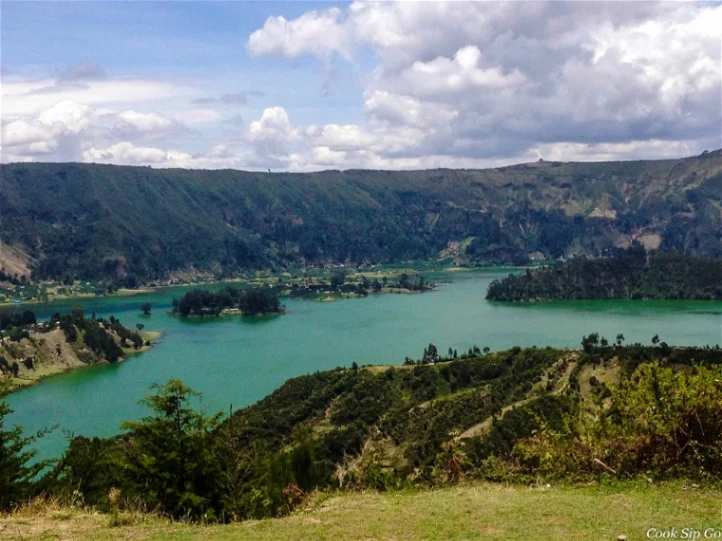
  • Rift Valley lakes

    Rift Valley lakes

    Lakes Abaya, Chamo, & Awasa, wenchi-crater-lake የሪፍት ቫሊ ሐይቆች
    RIFT VALLEY (ETHIOPIA) · WILD

    Cutting through the heart of the country, the Ethiopian Rift Valley is home to a dynamic chain of massive lakes, each hosting its own distinct chemical personality and unique aquatic ecosystem. From the reddish, sediment-heavy waters of Lake Abaya to the crocodile-dense waters of Lake Chamo, these basins are vital evolutionary safe havens. They support thriving populations of endemic fish, massive pods of hippopotamuses, and thousands of migratory flamingos that transform the shorelines into living sheets of pink.

    Are we recognizing these massive inland basins as crucial hydrological assets that anchor regional food security and climate stabilization?

  • Danakil & lowlands

    Danakil & lowlands

    Dallol & The Afar Triangle የዳናኪል መናወጥ
    AFAR (ETHIOPIA) · WILD · LEGENDARY

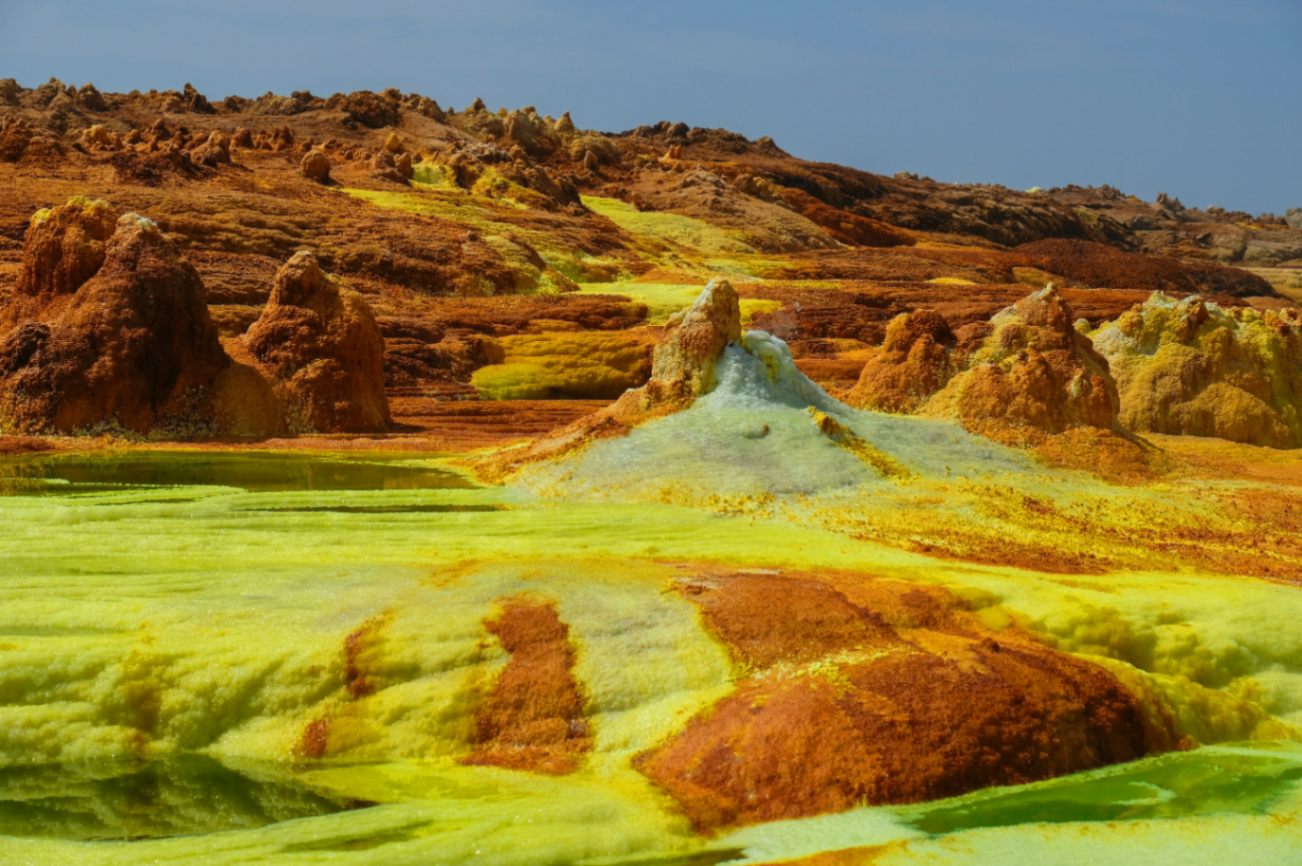
    Plunging more than 100 meters below sea level, the Danakil Depression is one of the lowest, hottest, and most unearthly places on the planet. This hyper-arid lowland landscape is a raw tectonic battlefield where the Earth is pulling apart, fracturing the crust to create neon-yellow hydrothermal sulfur springs, bubbling acid pools, and vast, blinding salt flats that stretch to the horizon. It is an environment of absolute extremes, inhabited only by extremophile microbes and the resilient Afar people who have mined its salt for centuries.

    Are we ready to look past the hostile heat to decode this depression as a premier natural laboratory for astrobiology and a massive geothermal asset class?

Where to wander - parks, peaks & ancient stone.

  • Simien Mountains

    Simien Mountains

    Theropithecus gelada የሰሜን ተራራዎች
    AMHARA (ETHIOPIA) · WILD · LEGENDARY

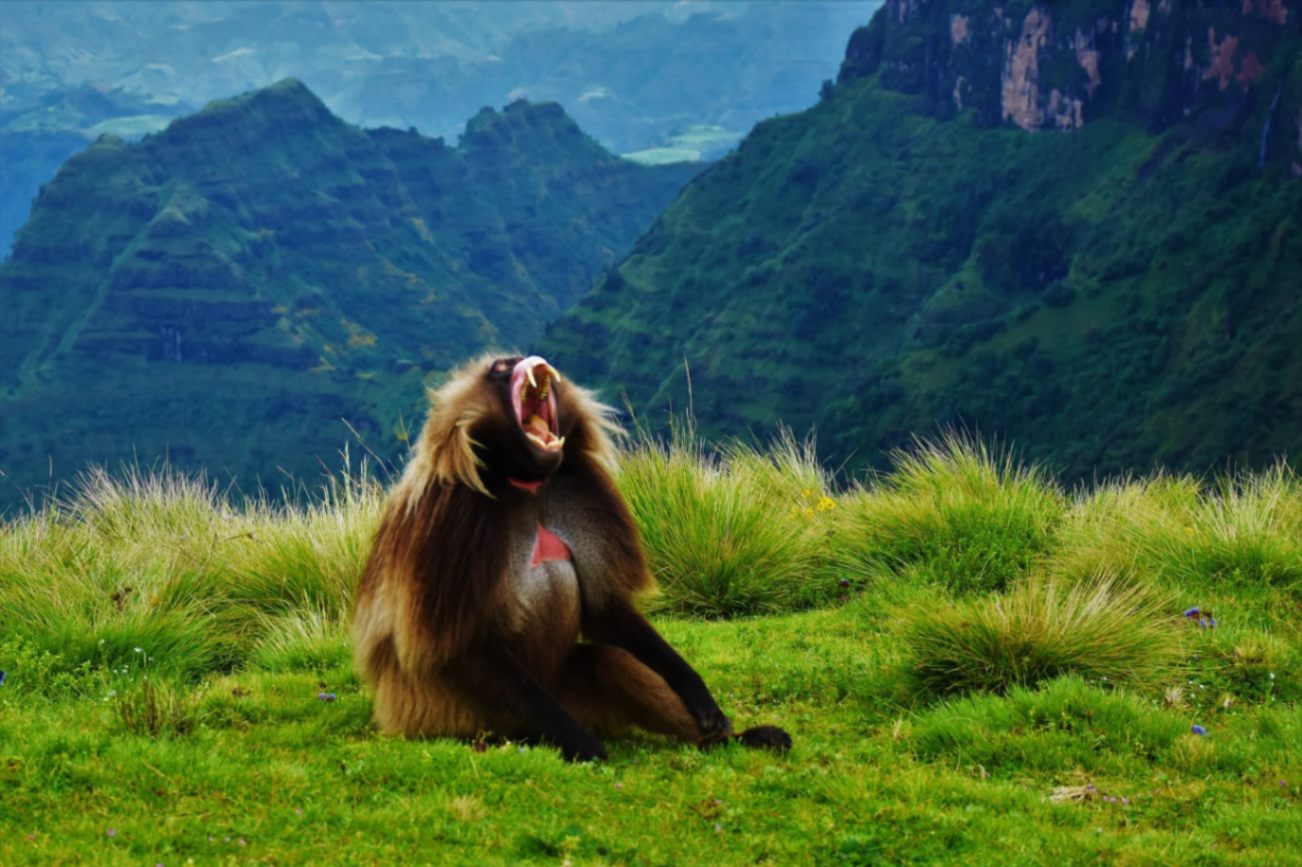
    Rising into jagged, massive plateaus carved by millions of years of erosion, the Simien Mountains are known as the 'Roof of Africa.' This dramatic landscape of deep gorges and sheer precipices is the exclusive playground of the Gelada monkey (Theropithecus gelada), the world's only grass-eating primate. Living in tight-knit, expressive troops along the cliff edges, these "bleeding-heart" monkeys share their high-altitude strongholds with the rare Walia ibex and golden-maned Ethiopian wolves.

    Are we viewing these massive basalt towers merely as a scenic backdrop, or as a critical evolutionary fortress protecting some of the rarest genetic assets on Earth?

  • Bale Mountains

    Bale Mountains

    የባሌ ተራራዎች
    OROMIA (ETHIOPIA) · WILD · LEGENDARY

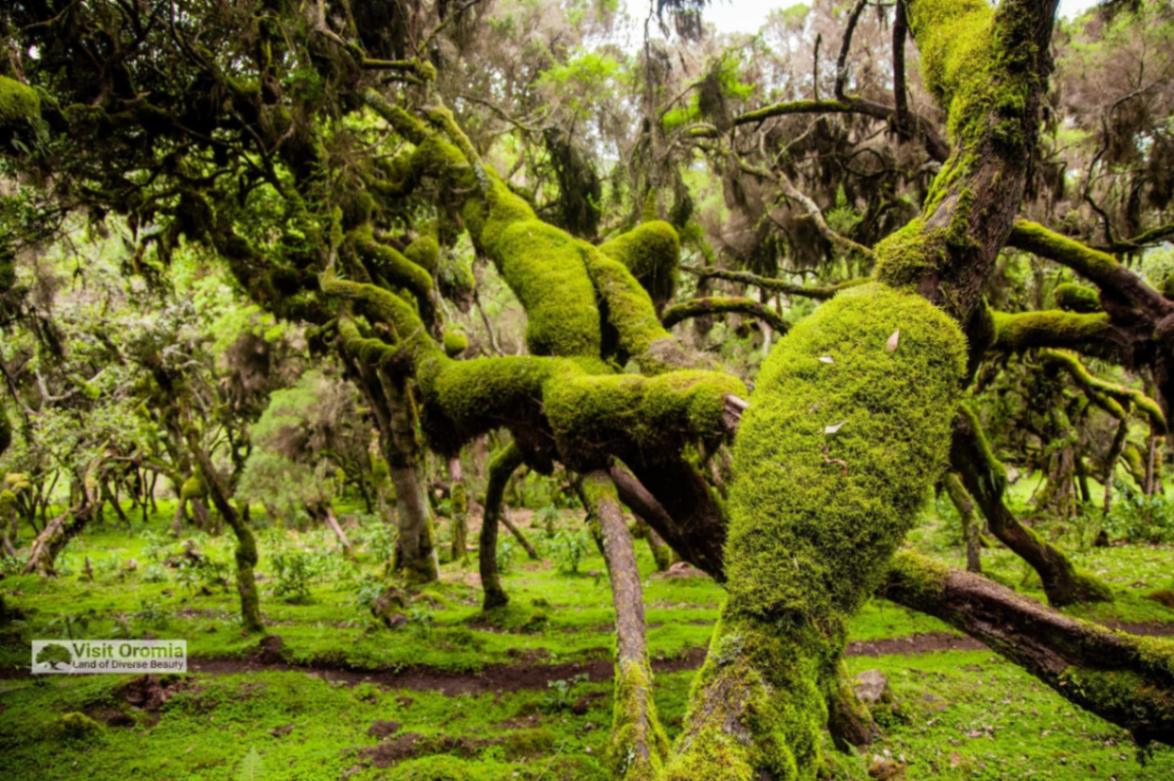
    Rising into a vast, mist-shrouded volcanic plateau, the Bale Mountains are a world above the clouds. This ancient landscape features the Sanetti Plateau - the largest continuous alpine habitat on the entire African continent. It serves as the ultimate stronghold for the critically endangered Ethiopian wolf (Canis simensis), which stalks endemic giant mole-rats through the eerie, giant lobelia-studded moorlands. Below the alpine peaks, the ecosystem plunges into the dense, moss-draped Harenna Forest, a pristine wilderness hiding wild coffee strains and elusive melanistic leopards.

    Are we valuing this unique plateau merely for its striking isolation, or as a premier evolutionary sanctuary protecting Africa’s rarest genetic treasures?

  • Lalibela

    Lalibela

    Beta Medhane Alem & Beta Giyorgis ላሊበላ
    AMHARA (ETHIOPIA) · LEGENDARY

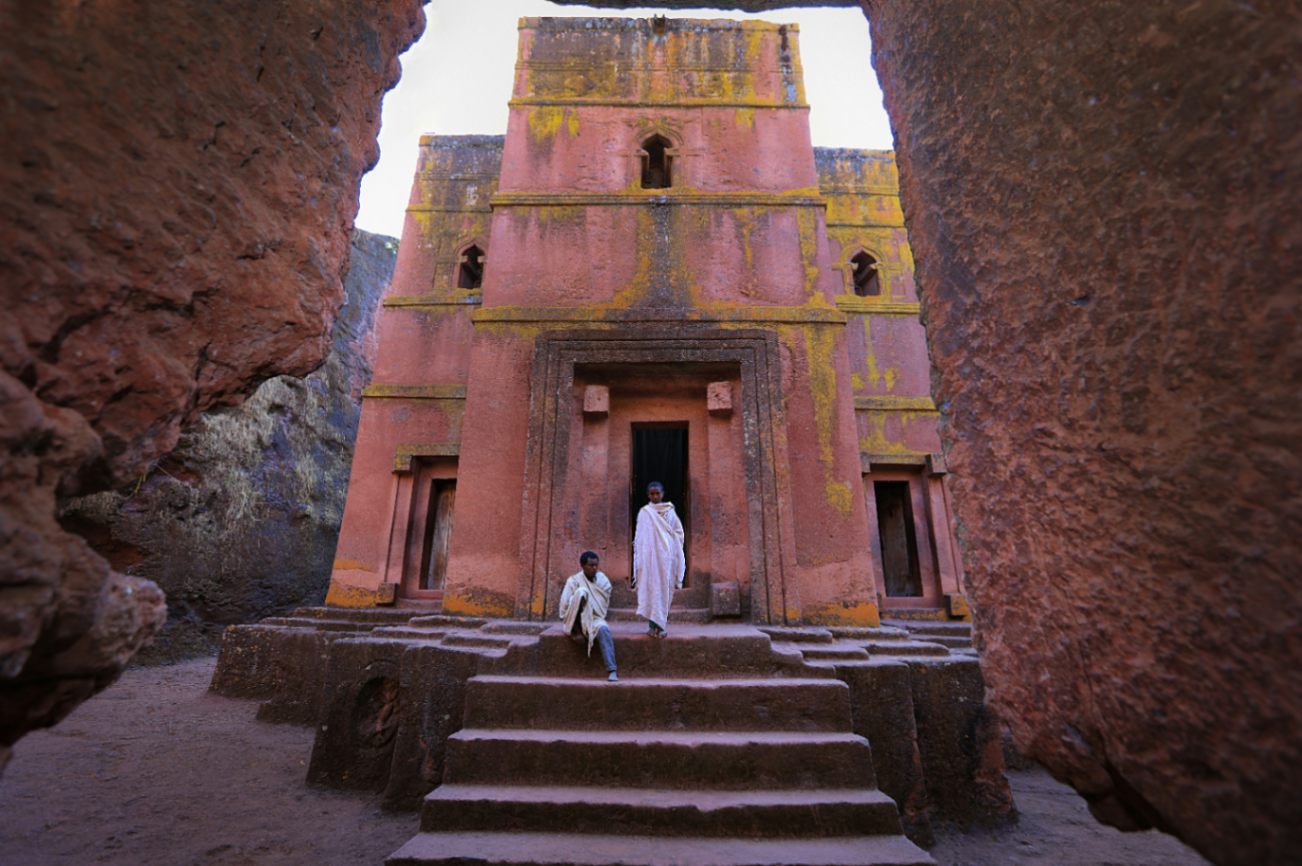
    Carved straight into the red volcanic tuff of the Lasta Mountains, Lalibela is a breathtaking junction where human faith alters the physical geology of the Earth. In the 12th and 13th centuries, instead of building upward, artisans chiseled eleven monolithic churches entirely downward into the living rock. Connected by a subterranean labyrinth of dark tunnels and trenches, these rock-hewn structures—including the iconic, cross-shaped Beta Giyorgis - stand as an immortal engineering marvel that breathes alongside the surrounding mountain landscape.

    Are we valuing this sacred labyrinth purely as historical architecture, or as a testament to how human design can seamlessly integrate into the raw stone of our planet?

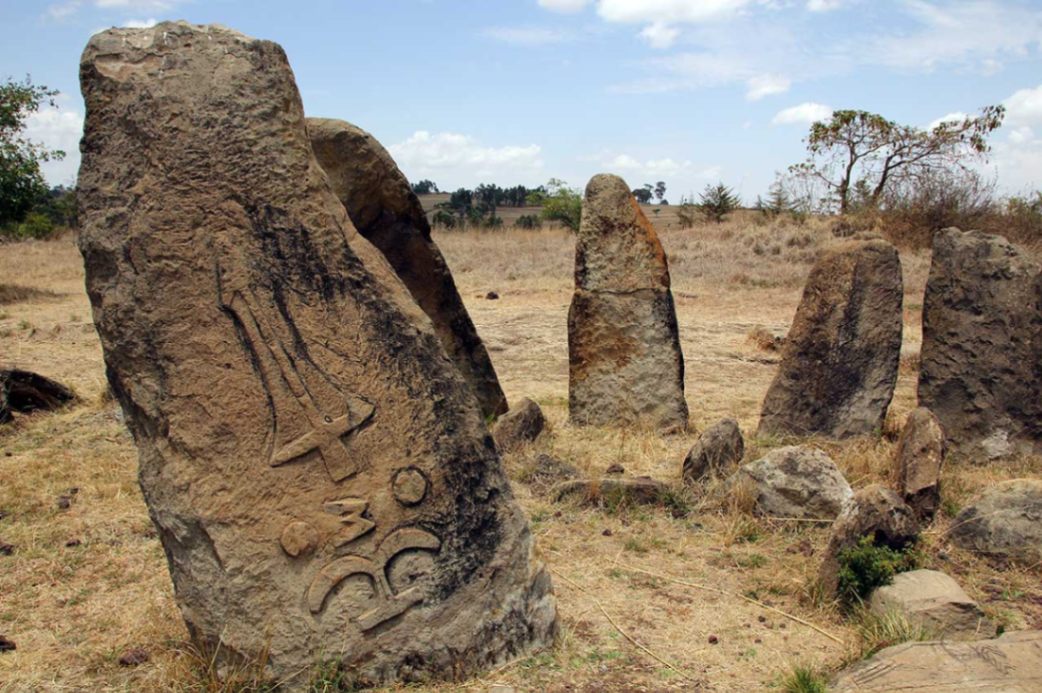
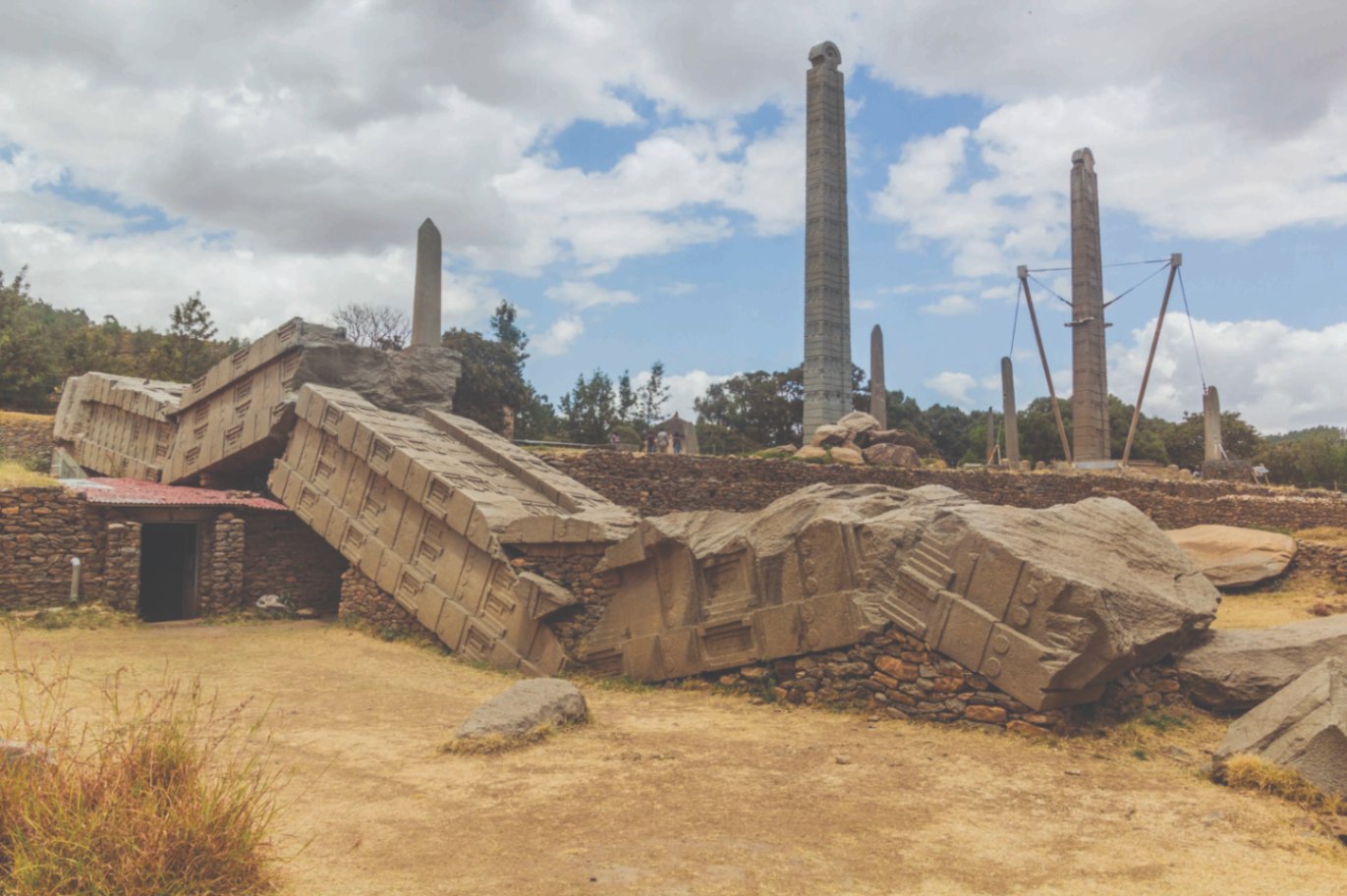
  • Aksum

    Aksum

    The Northern Plateau አክሱም
    TIGRAY (ETHIOPIA) · LEGENDARY

    Rising across the high northern plateaus, Aksum is the heart of an ancient trading empire that once linked the Roman Empire with India. The landscape is defined by its massive, monolithic granite stelae - colossal towers carved from single blocks of stone that mimic multi-story palaces, standing as engineering marvels of the ancient world. This historic highland hub is also home to the microclimates of the Adwa peaks and ancient agricultural terraces that have sustained civilizations for over two millennia.

    Are we treating this ancient plateau merely as an archaeological site, or as a powerful historical anchor that proves how regional geography can shape global trade empires?

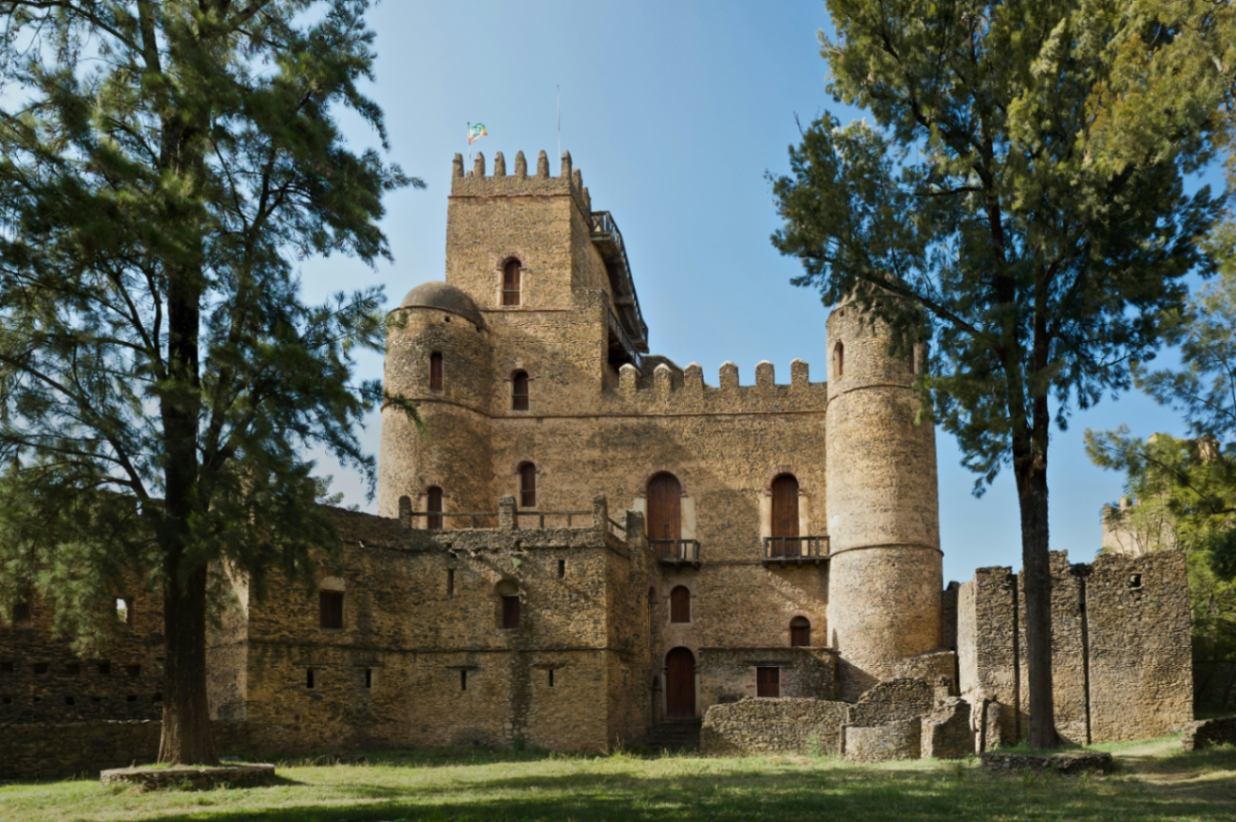
  • Gondar

    Gondar

    Fasil Ghebbi & The Imperial Plateau ጎንደር
    AMHARA (ETHIOPIA) · LEGENDARY

    Surrounded by fertile highland hills, Gondar is a spectacular 17th-century fortress city that stands as the monumental "Camelot of Africa." The landscape is dominated by Fasil Ghebbi - a massive, walled imperial compound filled with towering stone castles, banquet halls, and royal libraries that blend Portuguese, Indian, and local Aksumite architectural styles. This historic hub seamlessly weaves human engineering with nature, featuring the serene, tree-lined Fasilides' Bath and ancient, moss-draped stone structures that have weathered centuries of mountain rains.

    Are we celebrating this stone citadel merely as a remnant of royal history, or as a masterpiece of sustainable, heavy-masonry architecture designed to endure a volatile highland climate?

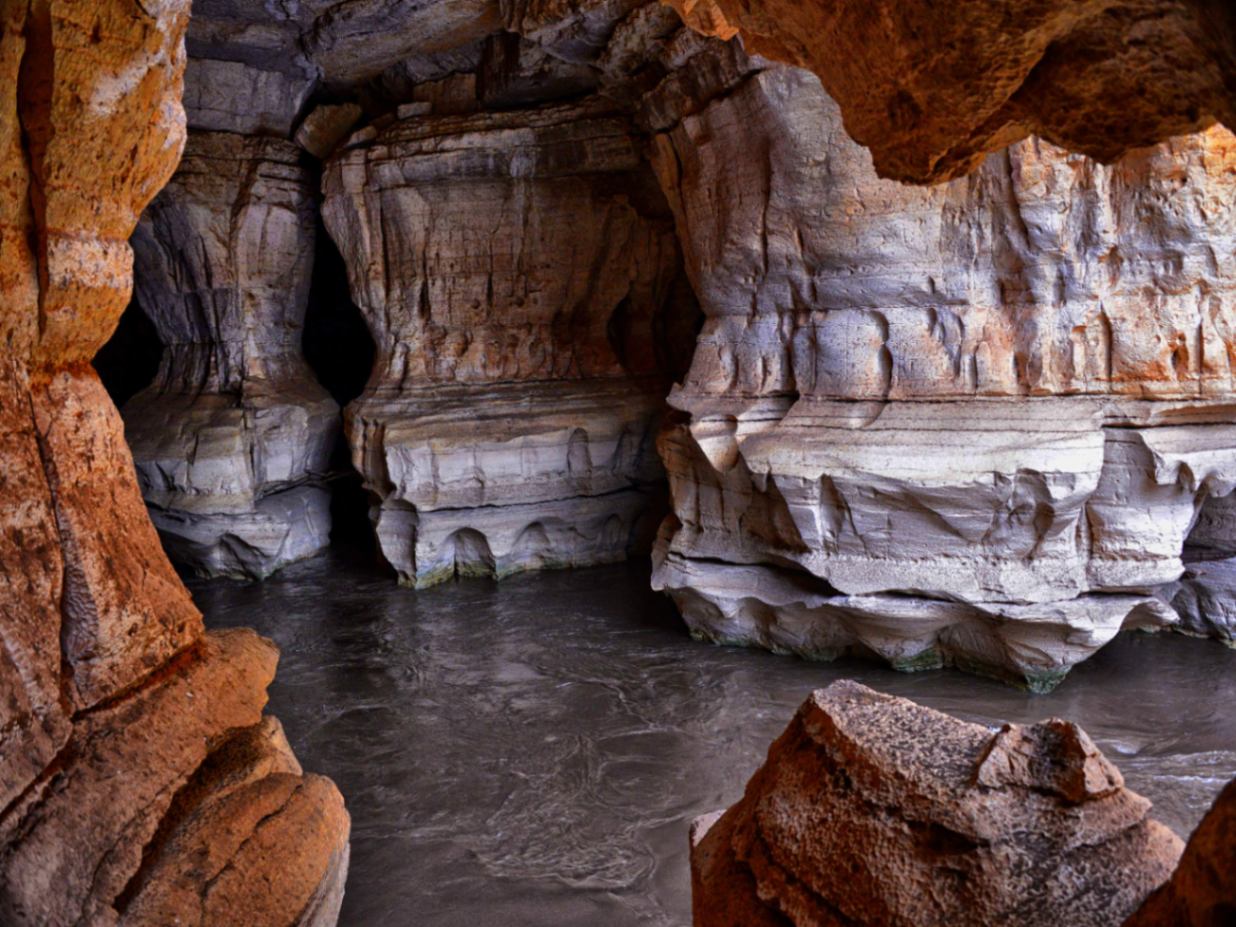
  • Bale - Sof Omar Cave

    Bale - Sof Omar Cave

    The Weib River & Limestone Caverns ሶፍ ኡመር
    BALE (ETHIOPIA) · WILD · LEGENDARY

    Deep beneath the arid lowlands of Bale lies Sof Omar, one of the most spectacular and extensive subterranean cave systems on the planet. Carved over millennia by the relentless flow of the Weib River, this massive limestone underworld stretches for over 15 kilometers. The landscape inside is defined by the breathtaking "Chamber of Pillars" - a monumental underground hall where colossal, naturally sculpted limestone columns support towering rock ceilings, echoing with the sound of rushing dark waters and the bats that guard the depths.

    Are we valuing this sacred subterranean wonder merely as a hidden cavern, or as an unparalleled geological masterpiece shaped by the raw power of hydrological architecture?

The Sunday Dispatch

One letter, every Sunday.
Worth reading.

A short, beautifully composed dispatch from the field — one species, one photograph, one paragraph worth holding onto.

Free forever. Unsubscribe in one click. We never share your email.

6.4k

Readers

48

Issues

4.9★

Rating